



Exploring the Benefits of Steel Box Girder Bridges for Infrastructure Development
Apr 19,2026
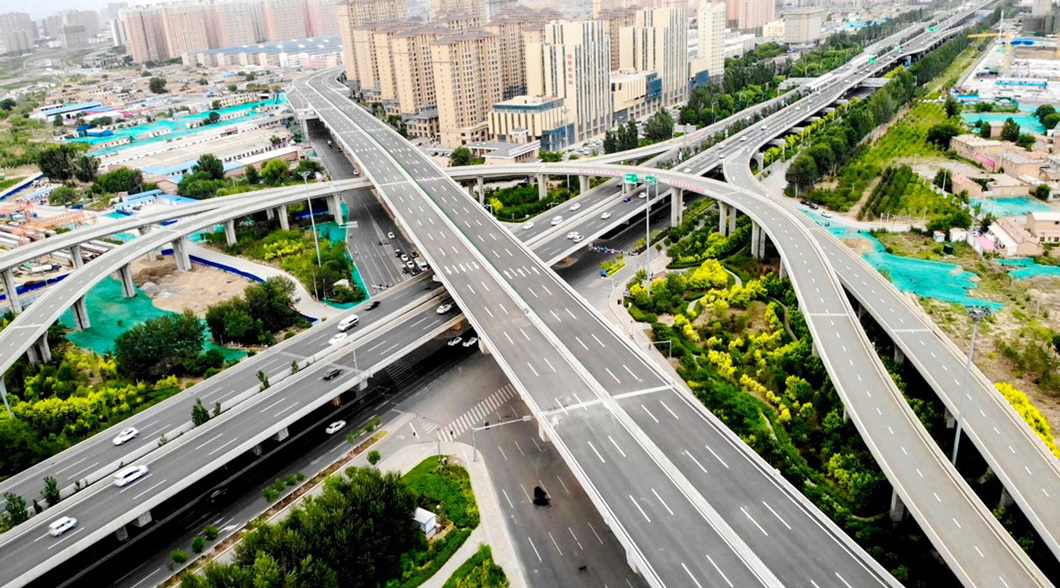
Exploring the Benefits of Steel Box Girder Bridges for Infrastructure Development
Table of Contents
- 1. Introduction to Steel Box Girder Bridges
- 2. What is a Steel Box Girder?
- 3. Key Advantages of Steel Box Girder Bridges
- 3.1 Structural Integrity and Durability
- 3.2 Cost-Effectiveness Over Time
- 3.3 Design Flexibility and Aesthetics
- 4. Applications in Modern Infrastructure
- 5. The Construction Process of Steel Box Girder Bridges
- 6. The Future of Steel Box Girder Bridges
- 7. Frequently Asked Questions
- 8. Conclusion
1. Introduction to Steel Box Girder Bridges
The demand for robust and efficient infrastructure solutions has led to a significant interest in **steel box girder bridges**. These structures offer a harmonious blend of strength, durability, and adaptability, making them ideal for various applications. As urban populations grow and transportation needs evolve, understanding the benefits of steel box girder bridges becomes crucial for engineers and planners.
2. What is a Steel Box Girder?
A **steel box girder** is a type of structural beam used primarily in bridge construction, characterized by its box-like shape. This configuration consists of two or more plates welded together to form a hollow section. The design allows for efficient distribution of loads and provides resistance against bending and shear forces. The inherent strength of steel, combined with the efficiency of the box shape, results in a bridge that can span considerable distances while maintaining structural integrity.
3. Key Advantages of Steel Box Girder Bridges
3.1 Structural Integrity and Durability
Steel box girder bridges exhibit unparalleled **structural integrity**. The use of high-strength steel ensures that these structures can withstand heavy loads and harsh environmental conditions. Unlike other materials, steel does not crack or crumble under stress. Furthermore, the enclosed shape of the box girder minimizes the risk of corrosion, especially when protective coatings are applied, extending the lifespan of the bridge significantly.
3.2 Cost-Effectiveness Over Time
While the initial cost of constructing a steel box girder bridge can be higher than that of traditional bridge types, the long-term **cost-effectiveness** cannot be overlooked. The longevity and reduced maintenance needs of steel bridges often lead to lower overall expenditure. Additionally, their rapid construction timeline reduces labor costs and minimizes disruption to traffic, making them a financially sound choice for infrastructure projects.
3.3 Design Flexibility and Aesthetics
Steel box girder bridges offer remarkable **design flexibility**, allowing engineers to craft aesthetically pleasing structures that blend seamlessly with their surroundings. The ability to create longer spans without the need for intermediate supports means these bridges can traverse wide rivers or valleys, providing breathtaking views and reducing the visual clutter often associated with multiple supports.
4. Applications in Modern Infrastructure
Steel box girder bridges are versatile and can be utilized in various infrastructure applications, from highways to railroads to pedestrian pathways.
4.1 Road and Railway Bridges
The robust nature of steel box girders makes them an ideal choice for both **road and railway bridges**. Their ability to support substantial loads while spanning long distances allows for uninterrupted transit routes. This is particularly beneficial in urban areas where space is limited and the demand for efficient transportation is high.
4.2 Urban Integration and Development
As cities evolve, integrating new infrastructure into existing landscapes presents challenges. Steel box girder bridges can be designed to accommodate urban aesthetics, promoting **urban integration**. These structures can serve as focal points in city architecture, enhancing the overall visual appeal while fulfilling their functional requirements.
4.3 Environmental Considerations
In an era of sustainability, environmental considerations have become paramount in infrastructure development. Steel box girder bridges can be constructed with recyclable materials, contributing to reduced environmental impact. Their durability also means fewer replacements are needed, further minimizing ecological footprints.
5. The Construction Process of Steel Box Girder Bridges
The **construction process** for steel box girder bridges involves several critical steps, each designed to ensure safety and structural integrity.
1. **Site Preparation**: The ground is prepared, and necessary permits obtained.
2. **Foundation Work**: Robust foundations are laid to support the weight of the box girders.
3. **Fabrication**: The steel girders are fabricated in a workshop, where precision welding and cutting take place.
4. **Transportation**: The fabricated girders are transported to the construction site, often requiring specialized vehicles.
5. **Erection**: Using cranes, the girders are lifted into place, where they are secured to the foundations.
6. **Deck Installation**: The deck is laid over the girders, completing the bridge structure.
This meticulous approach ensures that each bridge is built to last, with a keen eye on safety and durability.
6. The Future of Steel Box Girder Bridges
As technology advances, the future of **steel box girder bridges** looks promising. Innovations in materials science and engineering techniques are leading to even stronger and more efficient designs. The integration of smart technologies, such as sensors for maintenance monitoring, will enhance the longevity and safety of these structures.
Moreover, as more cities prioritize sustainable infrastructure, the adaptability and efficiency of steel box girders will play a pivotal role in future developments.
7. Frequently Asked Questions
What are the primary advantages of steel box girder bridges?
Steel box girder bridges provide exceptional strength, durability, and cost-effectiveness over their lifespan, making them suitable for a wide range of applications.
How long do steel box girder bridges last?
With proper maintenance and care, steel box girder bridges can last for several decades, often exceeding 50 years.
Are steel box girder bridges environmentally friendly?
Yes, they can be constructed using recyclable materials and have a longer lifespan, which reduces the need for replacements and minimizes environmental impact.
What is the typical construction timeline for a steel box girder bridge?
The construction timeline varies based on the project's size and complexity but can generally range from several months to a few years.
Can steel box girder bridges be used for pedestrian walkways?
Absolutely! Steel box girders can be adapted for pedestrian bridges, providing safe and durable pathways over roads and waterways.
8. Conclusion
Steel box girder bridges represent a **transformative solution** in infrastructure development. Their remarkable strength, cost-effectiveness, design flexibility, and environmental sustainability make them a top choice for engineers and urban planners alike. As we move toward an increasingly interconnected world, the role of these innovative structures will only grow, shaping the future of transportation and urban development for generations to come.

Contact Us
E-mail :
183597530@qq.com
WhatsApp:
+86-13810577811
Address:
No. 4 Fengzhi Road, Binhe New District, Baotou Rare Earth High tech Zone, Inner Mongolia Autonomous Region