



The Essential Guide to Steel Truss Bridges: Engineering Marvels of Modern Infrastructure
Apr 24,2026
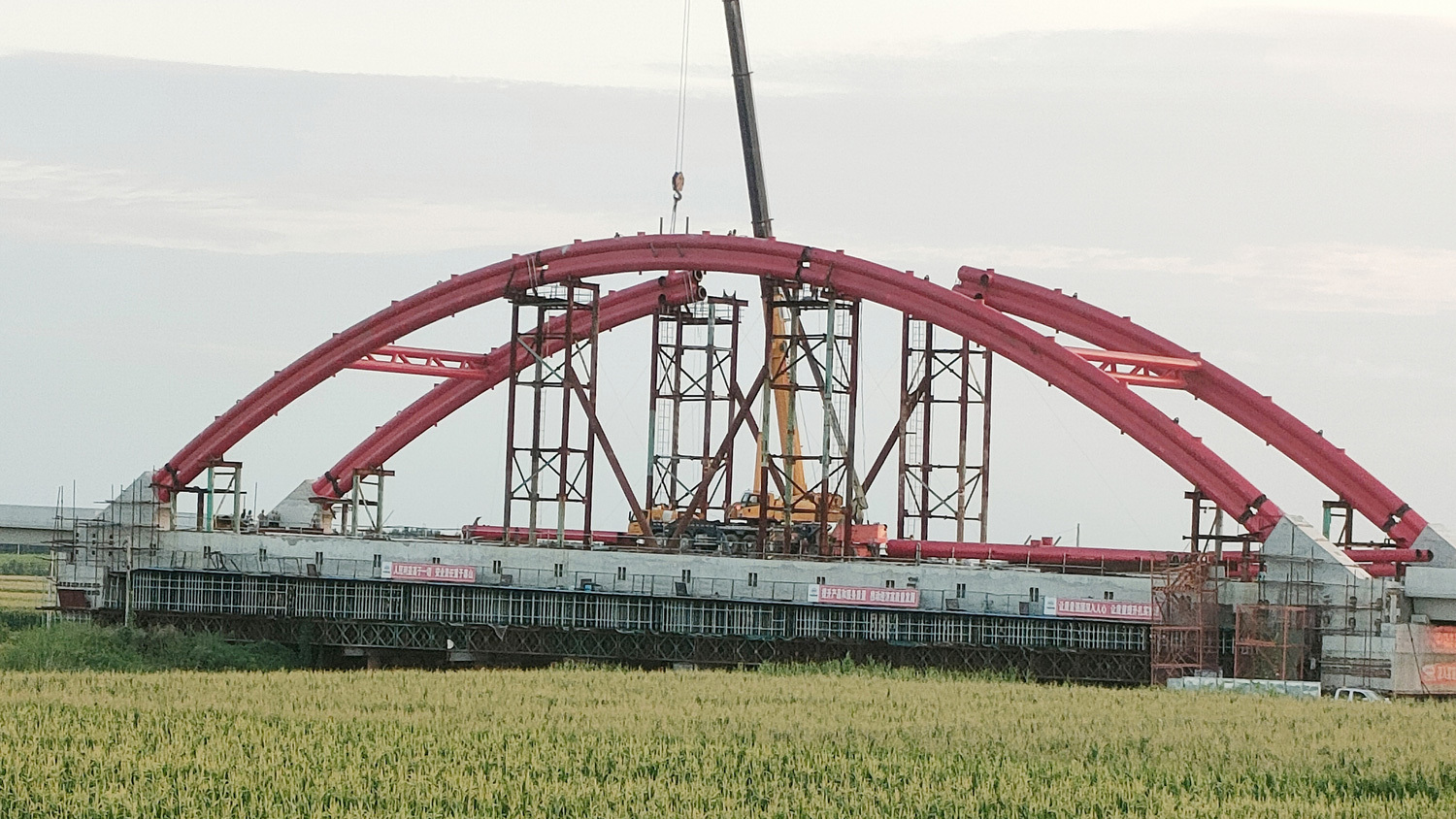
Steel truss bridges are among the most recognized structures in modern engineering, primarily due to their remarkable strength and efficiency in spanning large distances. These bridges utilize a triangular truss design, which allows them to distribute loads evenly across the structure, providing both stability and structural integrity. The use of steel as the primary material enhances the durability and longevity of these bridges, making them a preferred choice in various applications, especially in the metallurgy and energy sectors.
One of the key advantages of steel truss bridges is their ability to carry heavy loads. The triangular configuration of the truss maximizes load distribution, making it ideal for accommodating both vehicular traffic and pedestrian use. This feature is particularly beneficial in industries like metallurgy and mining, where heavy machinery and transport vehicles need to cross these structures safely and efficiently.
In addition to their load-bearing capabilities, steel truss bridges are also designed for resistance against environmental factors. Steel is inherently resistant to weathering, corrosion, and fatigue, particularly when treated with protective coatings. This resilience is essential for bridges located in harsh environments or areas with significant temperature fluctuations. The structural design allows for quick inspection and maintenance, which contributes to the overall lifespan of the bridge.
Moreover, the construction of steel truss bridges is often more cost-effective than traditional solid bridges. The use of prefabricated components can significantly reduce construction time and labor costs. In the context of energy and mining projects, where timelines are critical, the rapid assembly of steel truss bridges can help facilitate project completion and improve efficiency.
When considering the application of steel truss bridges, it is vital to evaluate factors such as span length, load requirements, and environmental conditions. The design flexibility offered by truss configurations allows engineers to tailor solutions that meet specific project needs while adhering to safety standards and regulations.
In summary, steel truss bridges represent a fusion of innovative engineering and practical application, making them essential in supporting infrastructure development in the metallurgy and energy sectors. Their strength, durability, and cost-effectiveness position them as the bridge of choice for projects requiring reliable and resilient transportation solutions. As industries continue to evolve, the role of steel truss bridges in facilitating efficient movement will remain paramount, ensuring they are a staple in modern civil engineering.
One of the key advantages of steel truss bridges is their ability to carry heavy loads. The triangular configuration of the truss maximizes load distribution, making it ideal for accommodating both vehicular traffic and pedestrian use. This feature is particularly beneficial in industries like metallurgy and mining, where heavy machinery and transport vehicles need to cross these structures safely and efficiently.
In addition to their load-bearing capabilities, steel truss bridges are also designed for resistance against environmental factors. Steel is inherently resistant to weathering, corrosion, and fatigue, particularly when treated with protective coatings. This resilience is essential for bridges located in harsh environments or areas with significant temperature fluctuations. The structural design allows for quick inspection and maintenance, which contributes to the overall lifespan of the bridge.
Moreover, the construction of steel truss bridges is often more cost-effective than traditional solid bridges. The use of prefabricated components can significantly reduce construction time and labor costs. In the context of energy and mining projects, where timelines are critical, the rapid assembly of steel truss bridges can help facilitate project completion and improve efficiency.
When considering the application of steel truss bridges, it is vital to evaluate factors such as span length, load requirements, and environmental conditions. The design flexibility offered by truss configurations allows engineers to tailor solutions that meet specific project needs while adhering to safety standards and regulations.
In summary, steel truss bridges represent a fusion of innovative engineering and practical application, making them essential in supporting infrastructure development in the metallurgy and energy sectors. Their strength, durability, and cost-effectiveness position them as the bridge of choice for projects requiring reliable and resilient transportation solutions. As industries continue to evolve, the role of steel truss bridges in facilitating efficient movement will remain paramount, ensuring they are a staple in modern civil engineering.

Contact Us
E-mail :
183597530@qq.com
WhatsApp:
+86-13810577811
Address:
No. 4 Fengzhi Road, Binhe New District, Baotou Rare Earth High tech Zone, Inner Mongolia Autonomous Region