



Light Steel Structure in Modular Construction: Trends and Insights
Nov 26,2025
Light Steel Structure in Modular Construction: Trends and Insights
Table of Contents
- 1. Introduction to Light Steel Structures
- 2. Benefits of Using Light Steel in Modular Construction
- 3. Emerging Trends in Light Steel Modular Construction
- 4. Design Innovations in Light Steel Structures
- 5. Applications of Light Steel Structures
- 6. Sustainability Aspects of Light Steel Construction
- 7. Challenges in Implementing Light Steel Structures
- 8. The Future of Light Steel Structures in Modular Construction
- 9. Frequently Asked Questions
- 10. Conclusion
1. Introduction to Light Steel Structures
The evolution of construction techniques has paved the way for innovative solutions that address modern challenges. **Light steel structures** are emerging as a critical component in **modular construction**, offering a blend of strength, flexibility, and efficiency. Unlike traditional materials, light steel is designed to meet the demands of contemporary architecture, enabling faster construction and reduced waste. By integrating modularity with light steel, builders can significantly enhance the speed of projects while ensuring structural integrity.
2. Benefits of Using Light Steel in Modular Construction
The integration of light steel in modular construction presents numerous advantages, including:
2.1 Strength-to-Weight Ratio
Light steel boasts a remarkable strength-to-weight ratio, which allows for greater design flexibility in creating multi-story buildings. This property minimizes the overall weight of structures, leading to reduced foundation costs and less material usage.
2.2 Cost Efficiency
Utilizing light steel can lead to substantial cost savings. The reduced weight lowers transportation expenses, while faster erection times decrease labor costs. Additionally, the longevity of steel means lower maintenance costs in the long run.
2.3 Speed of Construction
Modular construction using light steel can cut project timelines significantly. Pre-fabricated components are manufactured in a controlled environment and assembled on-site, allowing for simultaneous site preparation and building construction.
2.4 Design Versatility
The malleability of light steel allows architects and engineers to explore innovative designs that traditional materials may not support. This versatility can lead to unique architectural expressions and functional layouts.
3. Emerging Trends in Light Steel Modular Construction
The construction industry is witnessing exciting trends as light steel becomes more prominent in modular construction.
3.1 Prefabrication and Off-site Construction
The shift towards prefabrication is revolutionizing how buildings are constructed. Off-site manufacturing of light steel components allows for enhanced quality control and reduced on-site assembly time.
3.2 Green Building Practices
As sustainability becomes a priority, light steel structures align well with green building practices. The recyclability of steel and the reduced waste associated with modular construction contribute to a lower environmental impact.
3.3 Smart Technologies in Construction
The incorporation of smart technologies, such as IoT (Internet of Things) devices, is enhancing the efficiency of modular construction processes. Light steel structures can be equipped with smart systems for monitoring and optimizing building performance.
4. Design Innovations in Light Steel Structures
Design innovations are at the forefront of adopting light steel in modular construction. Architects are increasingly using software tools that facilitate complex geometries and structural analysis to optimize designs.
4.1 BIM Integration
Building Information Modeling (BIM) is transforming how structures are designed and executed. By integrating BIM with light steel construction, stakeholders can visualize the project, coordinate efforts, and streamline the construction process.
4.2 Aesthetic Enhancements
Light steel can be finished with various materials, allowing for creative aesthetic options. From cladding to interior finishes, designers can achieve the desired look without compromising on structural performance.
5. Applications of Light Steel Structures
Light steel structures are versatile and applicable in various sectors, including:
5.1 Residential Buildings
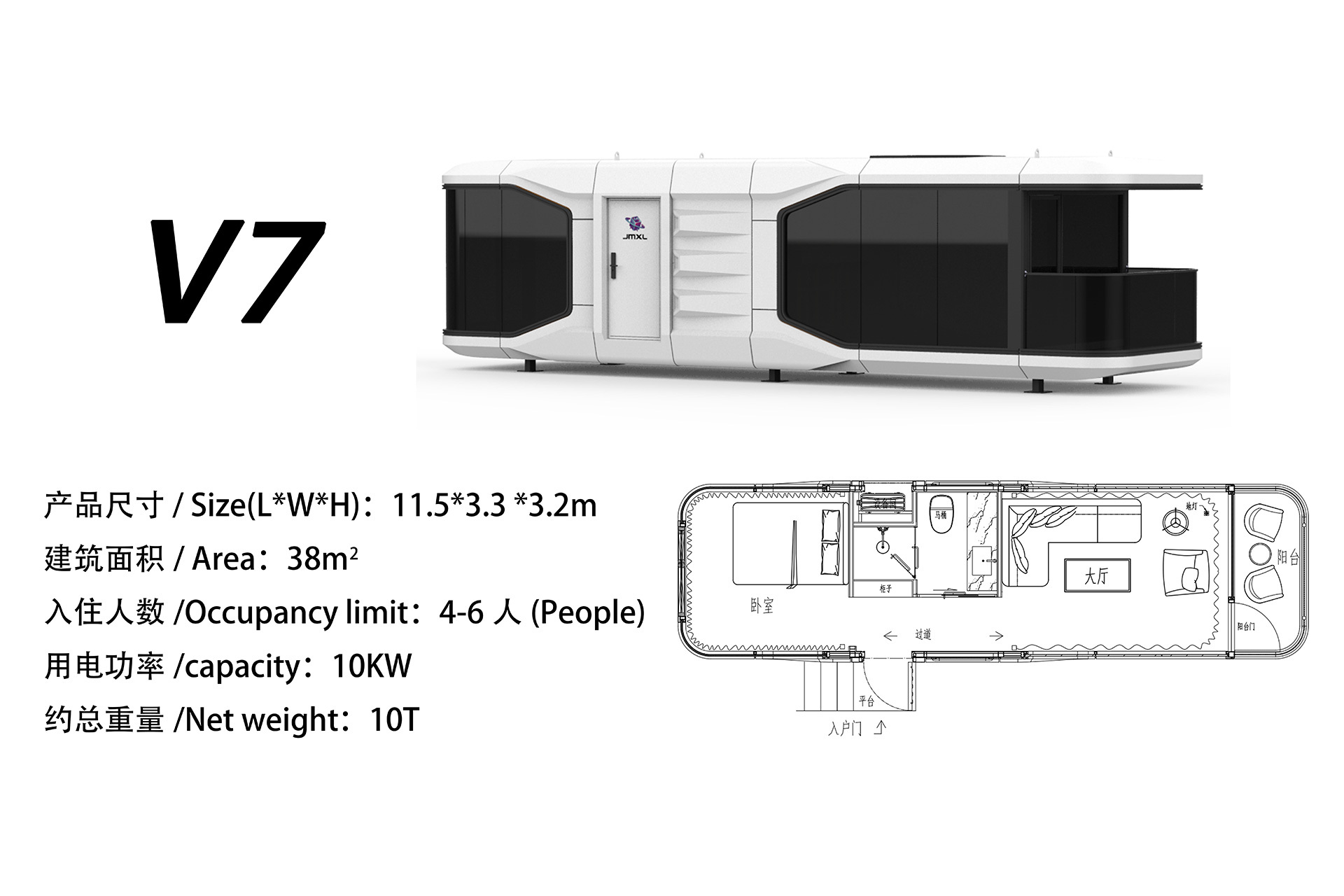
Modular homes made from light steel are gaining popularity due to their quick assembly and durability. These homes can be customized to meet individual preferences and needs.
5.2 Commercial Spaces
Retail stores and office spaces benefit from the adaptability of light steel. The ability to create open and flexible floor plans is especially appealing in the commercial sector.
5.3 Educational Institutions
Schools and universities are adopting light steel structures for classrooms and administrative buildings. Their rapid construction and cost-efficiency make them suitable for expanding educational facilities.
6. Sustainability Aspects of Light Steel Construction
Sustainability is an essential consideration in modern construction practices. Light steel structures contribute positively to sustainability through the following mechanisms:
6.1 Recyclability
Steel is one of the most recyclable materials globally. Structures built with light steel can be dismantled and repurposed at the end of their life cycle, minimizing waste.
6.2 Energy Efficiency
Light steel structures can be designed to optimize energy efficiency through advanced insulation techniques. This results in lower energy consumption during the building’s operational phase.
7. Challenges in Implementing Light Steel Structures
Despite the numerous benefits, challenges remain in adopting light steel structures in modular construction.
7.1 Initial Costs
While light steel can lead to cost savings over time, the initial investment may be higher compared to traditional materials. This can deter some developers from choosing steel for their projects.
7.2 Perception and Acceptance
There may be resistance to change within the industry, as some stakeholders still prefer traditional building methods. Education and awareness can help overcome these barriers.
8. The Future of Light Steel Structures in Modular Construction
The future of light steel structures in modular construction looks promising. As technology advances, the integration of automation and robotics in prefabrication processes will enhance efficiency. Moreover, as sustainability becomes a non-negotiable aspect of construction, light steel's eco-friendly attributes will likely drive its adoption further.
Innovations in connection technologies and coatings will also improve the performance and appeal of light steel structures, making them a preferred choice for builders and developers.
9. Frequently Asked Questions
What are the primary advantages of using light steel in modular construction?
Light steel offers a high strength-to-weight ratio, cost efficiency, speed of construction, and design versatility, making it an ideal choice for modular projects.
How does light steel contribute to sustainability in construction?
Light steel is fully recyclable, can be manufactured with minimal waste, and allows for energy-efficient building designs, contributing positively to sustainable construction practices.
Are there any challenges in using light steel structures?
Challenges include higher initial costs and resistance to change from traditional construction methods. Education and awareness can help mitigate these issues.
What types of buildings can be constructed using light steel?
Light steel is suitable for various applications, including residential homes, commercial buildings, and educational facilities.
How does the future look for light steel structures in modular construction?
The future is bright, with advancements in technology, growing sustainability concerns, and increasing acceptance of modular construction practices paving the way for greater adoption of light steel.
10. Conclusion
Light steel structures are at the forefront of modular construction, offering a perfect blend of efficiency, sustainability, and design freedom. As we navigate the challenges and embrace the trends in this evolving industry, the potential of light steel continues to expand. By staying informed about the latest innovations and best practices, stakeholders can harness the benefits of light steel structures, paving the way for a robust future in construction.
PREVIOUS:

Contact Us
E-mail :
183597530@qq.com
WhatsApp:
+86-13810577811
Address:
No. 4 Fengzhi Road, Binhe New District, Baotou Rare Earth High tech Zone, Inner Mongolia Autonomous Region