



Exploring the Wonders of Suspension Steel Bridges: Engineering Marvels of Modern Architecture
Dec 01,2025
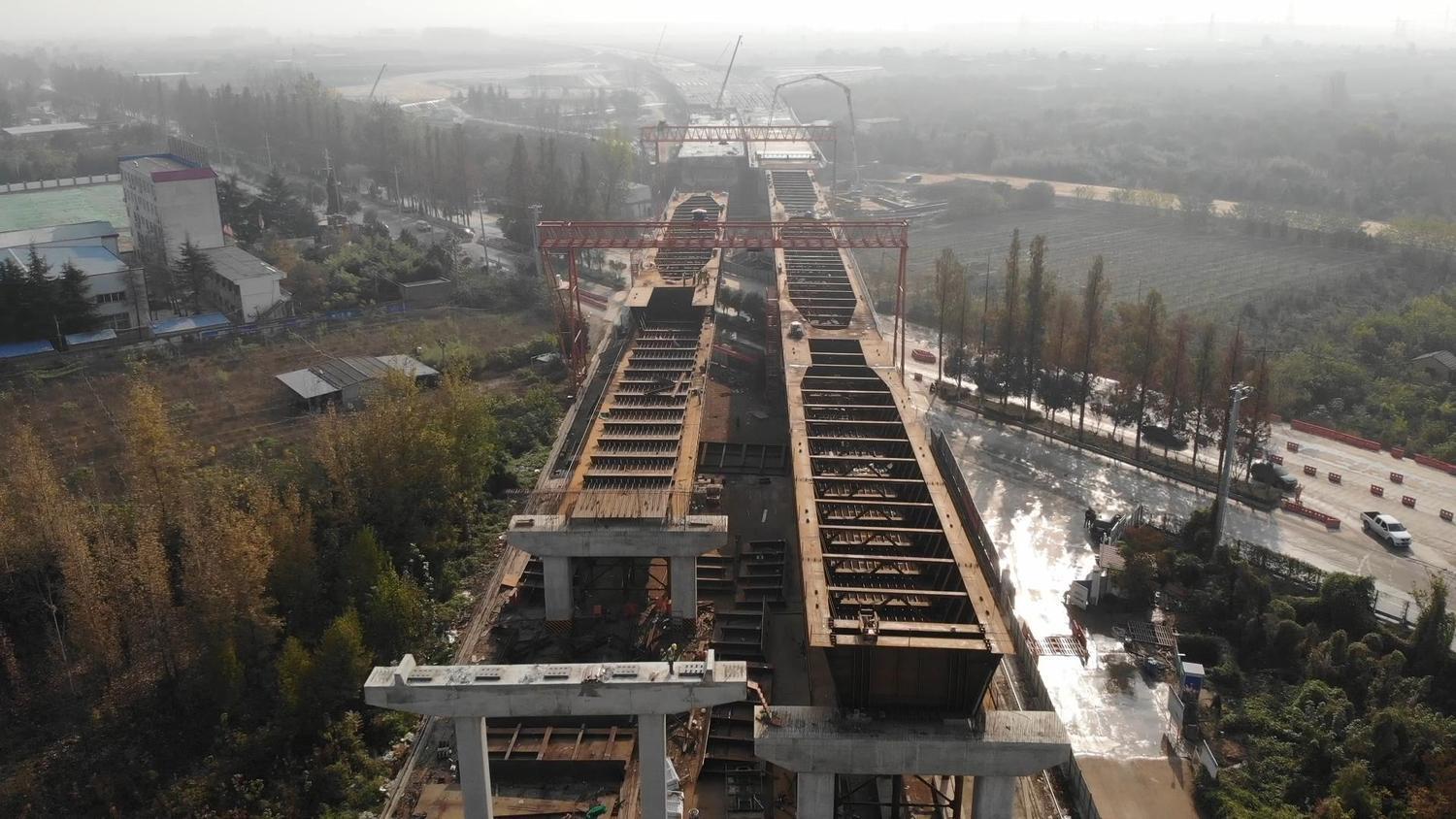
Suspension steel bridges are a notable achievement in engineering, characterized by their ability to span long distances while maintaining a graceful aesthetic. These bridges utilize a system of cables and towers to support the roadway, allowing for a lightweight yet sturdy structure. One of the most iconic examples is the Golden Gate Bridge in San Francisco, which showcases the distinctive features of suspension bridge design.
The primary components of a suspension steel bridge include the main cables, vertical suspenders, and the bridge deck. The main cables are anchored at both ends, creating tension that holds the entire structure aloft. Vertical suspenders connect the main cables to the bridge deck, distributing the load evenly. This design allows for significant flexibility, enabling the bridge to withstand dynamic loads such as wind, traffic, and seismic activity.
One of the main advantages of suspension steel bridges is their ability to cover vast spans without the need for numerous piers, minimizing disruption to waterways and landscapes below. This makes them particularly advantageous in urban areas or locations with challenging terrains. Furthermore, the construction of these bridges often involves the use of high-strength steel, which contributes to their durability and longevity.
From an aesthetic perspective, suspension steel bridges are often celebrated for their iconic silhouettes. Their elegant lines and soaring towers can transform a skyline, serving not only as functional structures but also as landmarks. This blend of beauty and practicality is one of the reasons why suspension steel bridges are preferred for major crossings, such as rivers and deep valleys.
When it comes to maintenance, regular inspections are crucial to ensure the safety and integrity of suspension steel bridges. Engineers typically assess the condition of the cables, anchor points, and deck during these inspections. Any signs of wear or corrosion must be addressed promptly to prevent structural failure.
In recent years, advancements in technology and materials science have further enhanced the design and construction of suspension steel bridges. Innovations such as computer-aided design (CAD) and advanced material coatings have improved the efficiency and durability of these structures, making them more resilient to environmental challenges.
In conclusion, suspension steel bridges stand as a testament to human ingenuity and engineering prowess. Their unique design and functional advantages make them an essential component of modern infrastructure. Understanding the mechanics and benefits of these impressive structures can provide valuable insights into the fields of architecture and construction. As we continue to push the boundaries of design and technology, suspension steel bridges will remain a vital part of our built environment for years to come.
The primary components of a suspension steel bridge include the main cables, vertical suspenders, and the bridge deck. The main cables are anchored at both ends, creating tension that holds the entire structure aloft. Vertical suspenders connect the main cables to the bridge deck, distributing the load evenly. This design allows for significant flexibility, enabling the bridge to withstand dynamic loads such as wind, traffic, and seismic activity.
One of the main advantages of suspension steel bridges is their ability to cover vast spans without the need for numerous piers, minimizing disruption to waterways and landscapes below. This makes them particularly advantageous in urban areas or locations with challenging terrains. Furthermore, the construction of these bridges often involves the use of high-strength steel, which contributes to their durability and longevity.
From an aesthetic perspective, suspension steel bridges are often celebrated for their iconic silhouettes. Their elegant lines and soaring towers can transform a skyline, serving not only as functional structures but also as landmarks. This blend of beauty and practicality is one of the reasons why suspension steel bridges are preferred for major crossings, such as rivers and deep valleys.
When it comes to maintenance, regular inspections are crucial to ensure the safety and integrity of suspension steel bridges. Engineers typically assess the condition of the cables, anchor points, and deck during these inspections. Any signs of wear or corrosion must be addressed promptly to prevent structural failure.
In recent years, advancements in technology and materials science have further enhanced the design and construction of suspension steel bridges. Innovations such as computer-aided design (CAD) and advanced material coatings have improved the efficiency and durability of these structures, making them more resilient to environmental challenges.
In conclusion, suspension steel bridges stand as a testament to human ingenuity and engineering prowess. Their unique design and functional advantages make them an essential component of modern infrastructure. Understanding the mechanics and benefits of these impressive structures can provide valuable insights into the fields of architecture and construction. As we continue to push the boundaries of design and technology, suspension steel bridges will remain a vital part of our built environment for years to come.

Contact Us
E-mail :
183597530@qq.com
WhatsApp:
+86-13810577811
Address:
No. 4 Fengzhi Road, Binhe New District, Baotou Rare Earth High tech Zone, Inner Mongolia Autonomous Region