



Why Choose a Steel Pedestrian Bridge for Your Next Project? Unveiling the Advantages and Applications
Dec 06,2025
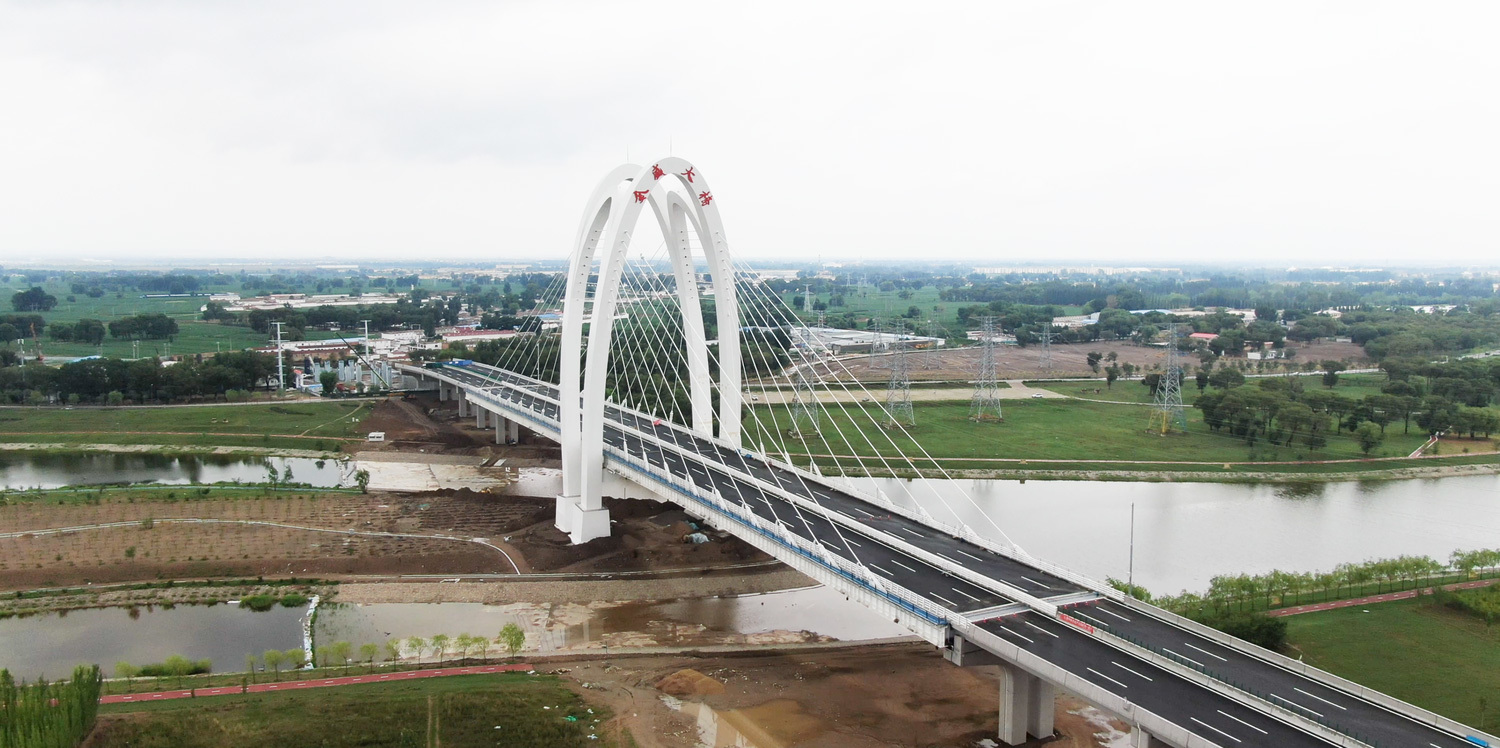
Why Choose a Steel Pedestrian Bridge for Your Next Project?
When planning a construction project, especially one that involves pedestrian traffic, selecting the right bridge material is paramount. Among various options, steel pedestrian bridges stand out as a premier choice due to their strength, longevity, and aesthetic appeal. This article will delve deeply into the numerous advantages of steel pedestrian bridges, their applications, and crucial considerations for your project.
Table of Contents
- Introduction to Steel Pedestrian Bridges
- Key Benefits of Steel Pedestrian Bridges
- 1. Exceptional Durability and Longevity
- 2. Versatile Design Options
- 3. Cost-Effectiveness Over Time
- 4. Environmental Considerations
- Applications of Steel Pedestrian Bridges
- Construction Considerations for Steel Pedestrian Bridges
- Installation Process and Best Practices
- Frequently Asked Questions
- Conclusion
Introduction to Steel Pedestrian Bridges
Steel pedestrian bridges have evolved significantly, becoming a popular choice for municipalities, developers, and architects alike. These structures are designed to facilitate safe and efficient pedestrian movement over obstacles such as rivers, roads, or valleys. With advancements in engineering and technology, steel bridges offer not only functional attributes but also aesthetic benefits that can enhance the surrounding environment.
Key Benefits of Steel Pedestrian Bridges
1. Exceptional Durability and Longevity
One of the foremost advantages of steel pedestrian bridges is their **exceptional durability**. Steel is inherently strong, which means it can withstand heavy loads and harsh weather conditions better than many other materials. Unlike wood, steel does not rot, warp, or attract pests, ensuring that your bridge remains safe and usable for decades. Properly maintained, a steel bridge can have a lifespan of over 100 years, making it a wise investment for any project.
2. Versatile Design Options
Steel bridges offer **versatile design options** that can cater to various architectural styles and project requirements. From traditional to modern aesthetics, steel can be shaped and colored to suit your vision. This flexibility allows for custom designs that can incorporate unique features such as decorative railings, lighting, and even integrated seating areas. The ability to create complex shapes also means that steel bridges can fit into challenging landscapes seamlessly.
3. Cost-Effectiveness Over Time
Many stakeholders are concerned about the upfront costs associated with steel pedestrian bridges. However, when considering **long-term cost-effectiveness**, steel bridges often prove to be the more economical choice. Their durability means lower maintenance costs over their lifespan, and they can often be erected faster than other types of bridges, reducing labor costs. Furthermore, steel's recyclability adds an additional layer of financial benefit, as material can be repurposed at the end of its life.
4. Environmental Considerations
In today's eco-conscious world, the **environmental impact** of construction materials is a significant factor. Steel is not only durable but also highly recyclable. This characteristic reduces the need for raw material extraction, significantly lowering the environmental footprint of bridge construction. Additionally, modern manufacturing processes for steel have become more energy-efficient, further enhancing its appeal as a sustainable option for bridge building.
Applications of Steel Pedestrian Bridges
Steel pedestrian bridges are versatile and can be utilized in various settings. Below, we explore some of the most common applications.
1. Urban Infrastructure Development
In urban environments, steel pedestrian bridges can effectively connect busy areas while enhancing walkability. They allow pedestrians to bypass vehicular traffic, improving safety and accessibility. Cities around the globe have embraced steel bridges as part of their infrastructure, integrating them into parks, waterfronts, and transportation hubs.
2. Recreational Areas and Parks
Parks and recreational areas benefit from the installation of steel pedestrian bridges, which can provide scenic views and connect various park features. These bridges often serve as focal points, encouraging visitors to explore the natural surroundings. Moreover, they can facilitate eco-friendly access to trails, waterways, and other natural sites, promoting outdoor activities.
3. Rural and Remote Areas
In rural and remote areas, steel pedestrian bridges can play a crucial role in improving connectivity between communities. They allow people to traverse rivers and valleys that might otherwise hinder access. Additionally, these bridges can facilitate tourism by connecting trail systems, making them essential for enhancing local economies.
Construction Considerations for Steel Pedestrian Bridges
Constructing a steel pedestrian bridge involves careful planning and execution. **Site assessments** are crucial to determine soil conditions, water levels, and potential environmental impacts. These factors influence the bridge's design, materials used, and installation methods. Collaborating with experienced engineers and contractors who specialize in steel construction is vital to ensure the project’s success.
Installation Process and Best Practices
The **installation of steel pedestrian bridges** typically involves several steps. First, the foundation must be prepared, ensuring it can support the weight of the bridge. Next, the steel components are fabricated, often off-site, to streamline the construction process. Once on-site, the sections are assembled, often using cranes for precision. Ensuring that all safety protocols are followed during installation is critical to protect workers and the public.
Frequently Asked Questions
1. What is the average lifespan of a steel pedestrian bridge?
The average lifespan of a well-maintained steel pedestrian bridge is over 100 years.
2. How do steel pedestrian bridges compare to wooden bridges?
Steel pedestrian bridges are generally more durable and require less maintenance than wooden bridges, which are susceptible to rot and pests.
3. Are steel pedestrian bridges environmentally friendly?
Yes, steel is highly recyclable and modern manufacturing processes have become more energy-efficient, making steel pedestrian bridges a sustainable choice.
4. Can steel pedestrian bridges be customized?
Absolutely! Steel bridges can be designed in various shapes, styles, and colors to fit the project’s aesthetic requirements.
5. What factors influence the cost of a steel pedestrian bridge?
The cost can be influenced by factors such as design complexity, materials used, site conditions, and the installation process.
Conclusion
Choosing a steel pedestrian bridge for your next project presents numerous advantages that can enhance functionality, aesthetics, and sustainability. With their durability, versatility in design, and long-term cost-effectiveness, steel bridges are a smart investment that can significantly benefit your infrastructure plans. Whether you are developing urban spaces, recreational areas, or rural access routes, steel pedestrian bridges offer solutions that meet diverse needs. By incorporating a steel pedestrian bridge into your project, you are not only investing in a robust structure but also contributing positively to the environment and community.

Contact Us
E-mail :
183597530@qq.com
WhatsApp:
+86-13810577811
Address:
No. 4 Fengzhi Road, Binhe New District, Baotou Rare Earth High tech Zone, Inner Mongolia Autonomous Region