



The Benefits of Lightweight Steel Frame Construction Explained
Mar 10,2026
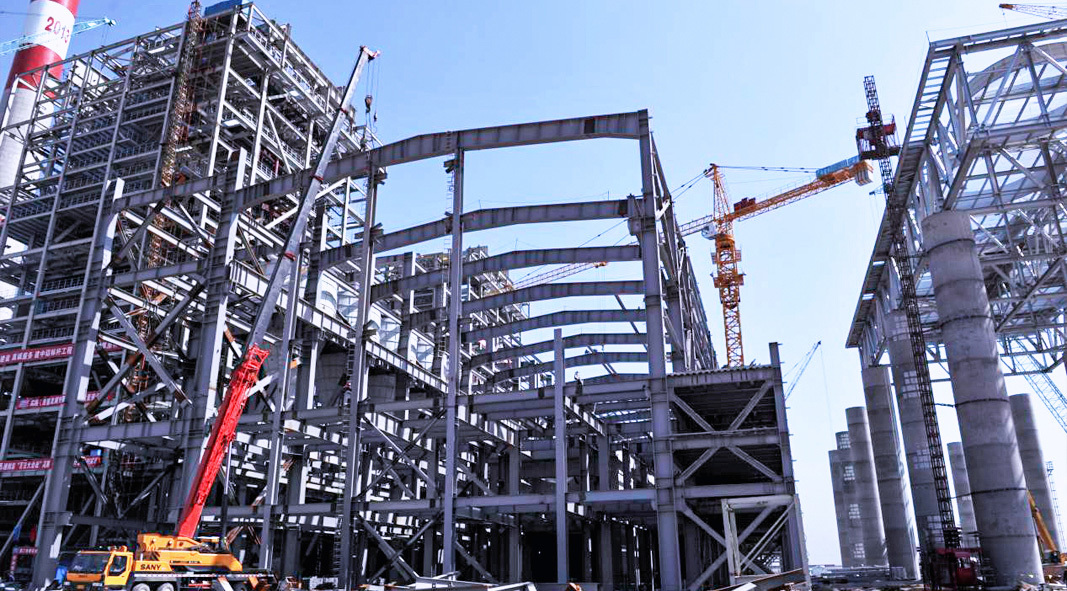
1. Introduction to Lightweight Steel Frame Construction
Lightweight steel frame construction has emerged as a groundbreaking technique in the building and construction industry. It combines modern engineering with advanced materials to provide a structure that is not only strong and durable but also versatile and efficient. This article delves into the myriad benefits of using lightweight steel frames, demonstrating why they are increasingly becoming the preferred choice for constructors and builders alike.
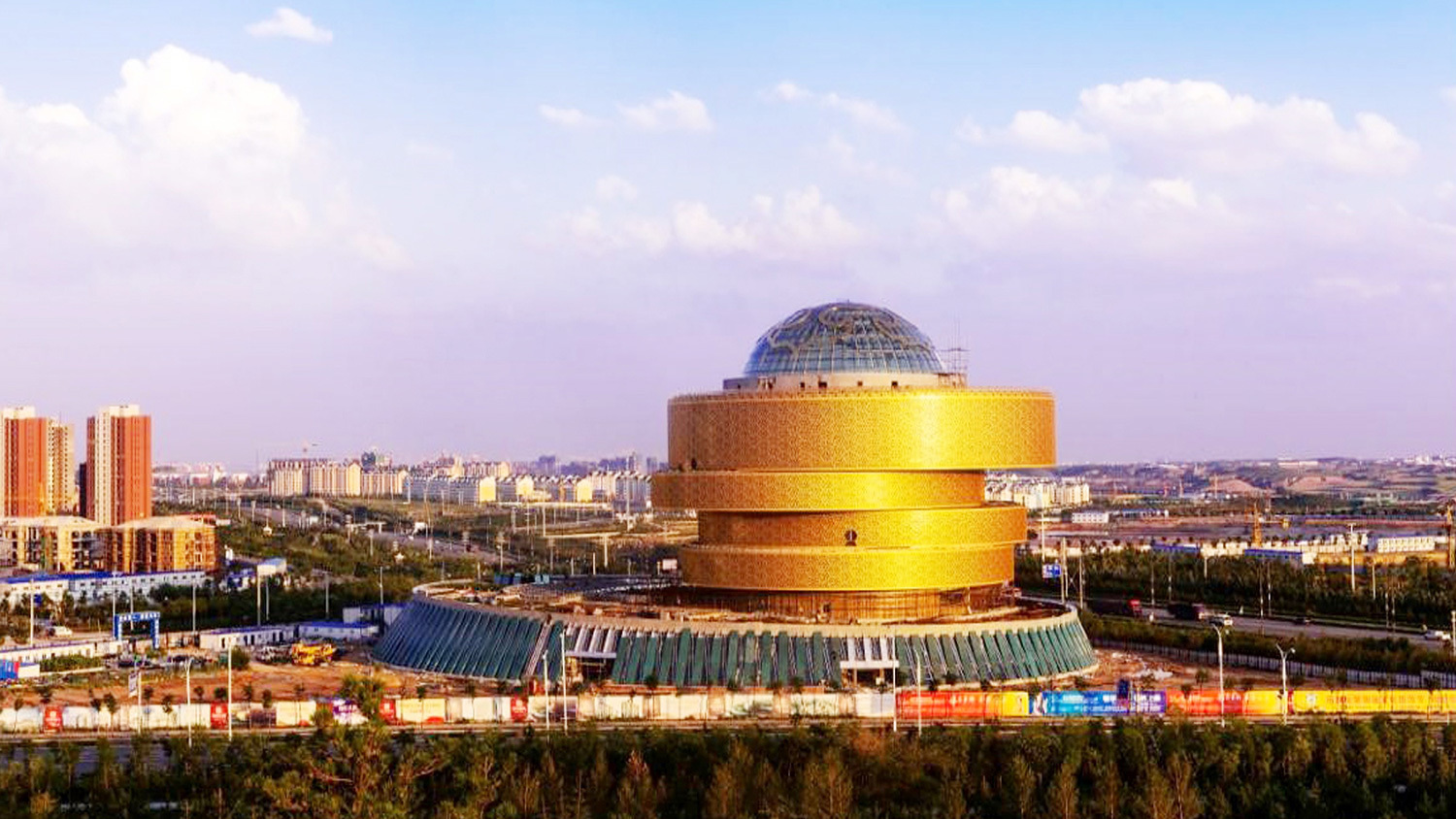
2. What is Lightweight Steel Frame Construction?
Lightweight steel frame construction refers to a building technique that utilizes steel as a primary structural material, replacing traditional materials such as wood or concrete. This method leverages the strength-to-weight ratio of steel, allowing for the creation of robust structures without the excessive weight that often comes with other building materials. Lightweight steel frames typically consist of thin-walled steel sections that are pre-engineered and prefabricated, resulting in quicker assembly times on-site.
3. Advantages of Lightweight Steel Frame Construction
3.1 Enhanced Durability
One of the most significant advantages of lightweight steel frame construction is its enhanced durability. Steel is inherently resistant to many of the common problems associated with traditional building materials. It does not rot, warp, or crack, making it an ideal choice for long-lasting structures. Additionally, steel is resistant to pests, such as termites, which can be a significant threat to wooden frameworks.
3.2 Cost-Effectiveness
Contrary to common belief, lightweight steel frames can be more cost-effective in the long run compared to traditional materials. Although the initial investment may be higher, the savings come from reduced labor costs and shorter construction timelines. The prefabrication process also minimizes waste, further enhancing the overall cost efficiency.
3.3 Reduced Environmental Impact
In an era where sustainability is paramount, lightweight steel frame construction stands out due to its reduced environmental footprint. Steel is 100% recyclable, and many steel manufacturers utilize recycled materials in their products. This sustainable approach significantly lowers the carbon footprint of any construction project. Furthermore, the energy efficiency of steel buildings can lead to lower utility costs, making them environmentally and economically viable.
3.4 Faster Construction Speed
The prefabrication of steel components allows for quicker assembly on-site. This rapid construction method can lead to a significant reduction in overall project timelines. With lighter materials that are easier to handle, construction crews can complete projects more efficiently, reducing labor costs and minimizing disruption to the surrounding area.
3.5 Design Flexibility
Lightweight steel frames offer unparalleled design flexibility. The versatility of steel allows architects and builders to create innovative designs that push the boundaries of traditional construction. Steel's strength enables larger open spaces without the need for cumbersome support beams, allowing for more creative and functional floor plans.
4. Applications of Lightweight Steel Frame Construction
Lightweight steel frame construction is suitable for a wide range of applications, including:
- Commercial buildings
- Residential homes
- Industrial structures
- Educational facilities
- Healthcare institutions
Each application leverages the unique benefits of lightweight steel frames, ensuring that structures are not only strong and durable but also aesthetically pleasing and functional.
5. Comparison with Traditional Construction Methods
When comparing lightweight steel frame construction to traditional methods, several key differences emerge.
- **Weight**: Lightweight steel frames are significantly lighter than traditional concrete or wooden structures, making them easier and faster to construct.
- **Durability**: Steel outperforms wood and concrete in terms of resistance to environmental factors and pests.
- **Cost**: While the initial costs may vary, the long-term savings and reduced maintenance needs of steel structures are compelling.
Understanding these differences can help stakeholders make informed decisions about their construction projects.
6. Challenges in Lightweight Steel Frame Construction
Despite its many advantages, lightweight steel frame construction does present some challenges. These may include:
- **Corrosion**: Steel is susceptible to rusting if not properly treated or maintained.
- **Thermal Conductivity**: Steel conducts heat, which can affect energy efficiency if not properly insulated.
- **Fire Resistance**: While steel does not burn, it can lose strength under high temperatures, necessitating careful fire safety considerations.
Addressing these challenges through proper design and engineering is essential for maximizing the benefits of lightweight steel construction.
7. The Future of Lightweight Steel Frame Construction
As the construction industry continues to evolve, lightweight steel frame construction is poised for significant growth. Innovations in steel production, fabrication techniques, and construction technologies will further enhance the efficiency and sustainability of steel structures. Moreover, the rising demand for environmentally friendly building practices will likely increase the adoption of lightweight steel frameworks in various sectors.
8. FAQs about Lightweight Steel Frame Construction
1. What are the primary benefits of lightweight steel frame construction?
Lightweight steel frame construction offers enhanced durability, cost-effectiveness, environmental benefits, faster construction speed, and design flexibility.
2. Is lightweight steel frame construction more expensive than traditional methods?
While the initial costs may be higher, the long-term savings due to reduced labor costs, maintenance, and energy efficiency often make it more economical.
3. Can lightweight steel frames withstand natural disasters?
Yes, lightweight steel frames are known for their resilience to earthquakes, hurricanes, and other natural disasters, thanks to their structural integrity and flexibility.
4. What types of buildings are best suited for steel frame construction?
Lightweight steel frame construction is ideal for a variety of applications, including residential homes, commercial buildings, and industrial structures.
5. How can the challenges of lightweight steel frame construction be mitigated?
Challenges such as corrosion, thermal conductivity, and fire resistance can be addressed through proper treatment, insulation, and fire safety measures.
9. Conclusion: Embracing Lightweight Steel Frame Construction
Lightweight steel frame construction presents a transformative approach to building that combines strength, sustainability, and efficiency. By understanding and harnessing its numerous benefits, builders and developers can create structures that not only meet modern demands but also stand the test of time. As we continue to innovate and prioritize sustainable practices, lightweight steel framing will undoubtedly play a pivotal role in the future of construction. Embracing this method is not just a choice; it is a step towards a more sustainable and efficient building industry.

Contact Us
E-mail :
183597530@qq.com
WhatsApp:
+86-13810577811
Address:
No. 4 Fengzhi Road, Binhe New District, Baotou Rare Earth High tech Zone, Inner Mongolia Autonomous Region