



Why Choose Light Steel Frame Building for Your Next Construction Project?
Jan 08,2026
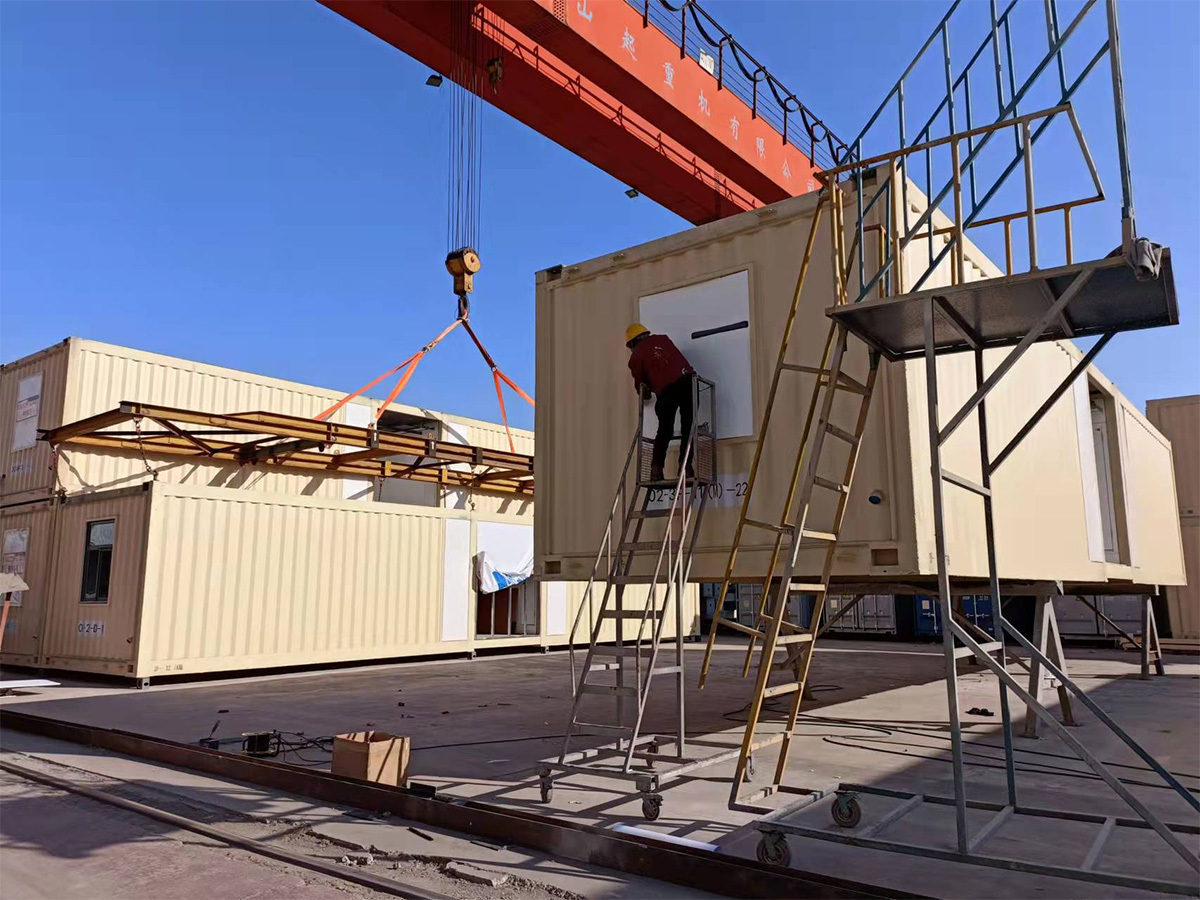
Why Choose Light Steel Frame Building for Your Next Construction Project?
Understanding Light Steel Frame Construction
Light steel frame construction has established itself as a viable and efficient alternative to traditional building methods. At its core, it utilizes lightweight steel sections to create the structural framework of a building. This approach not only enhances the speed of construction but also significantly contributes to the overall sustainability of a project.
In recent years, the construction industry has seen a notable shift towards more sustainable practices and materials. Light steel frames offer a compelling solution that meets the demands of modern architecture while providing numerous benefits in terms of performance, design flexibility, and environmental impact.
The Benefits of Light Steel Frame Building
Light steel frame buildings come with a multitude of advantages that make them an attractive option for many construction projects. Below are some key benefits:
1. Durability and Strength
One of the most significant advantages of light steel frames is their exceptional durability and strength. Steel is inherently resistant to various environmental factors such as rot, pests, and fire, ensuring that structures maintain their integrity over time. This longevity reduces the need for frequent repairs or replacements, ultimately saving money in the long run.
2. Cost-Effectiveness
While the initial investment in light steel frame construction may be higher compared to traditional methods, the long-term savings are substantial. Reduced maintenance costs, quicker construction times, and lower material wastage all contribute to a cost-effective building solution. Additionally, the lightweight nature of steel allows for smaller foundations, further lowering construction costs.
3. Speed of Construction
Time is often of the essence in construction projects. Light steel frame buildings can be erected much more quickly than traditional structures. The precision of prefabricated components allows for faster assembly on-site, significantly reducing downtime and speeding up project completion.
4. Design Flexibility
Light steel frames offer unparalleled design flexibility, enabling architects and builders to create innovative structures that may be challenging with traditional materials. The strength-to-weight ratio of steel allows for larger spans and open spaces, leading to creative designs that meet the needs of modern living.
5. Sustainability and Environmental Impact
As the world moves toward sustainable building practices, light steel frames emerge as a top choice. Steel is 100% recyclable, meaning that the material can be reused without a loss in quality. This aspect, combined with the reduced energy consumption associated with steel manufacturing, positions light steel frame buildings as an environmentally friendly option.
Applications of Light Steel Frame Buildings
Light steel frame construction is versatile and applicable in various sectors, including:
1. Residential Building
Many homeowners are now opting for light steel frame houses due to their durability and energy efficiency. This construction method allows for a customizable design, catering to individual preferences while ensuring structural integrity.
2. Commercial Spaces
Businesses are increasingly investing in light steel frame buildings for commercial purposes. From retail outlets to office complexes, this building method provides a robust and adaptable framework that can accommodate changing needs.
3. Industrial Facilities
Light steel frames are ideal for industrial applications, where large open spaces and strong structures are essential. Factories and warehouses benefit from the quick build times and lower operational costs associated with steel constructions.
Installation Process of Light Steel Frame Buildings
Understanding the installation process can further illustrate the advantages of light steel frame buildings. Here’s a breakdown of the key stages:
1. Design and Planning
Before construction begins, thorough planning is crucial. This phase involves collaborating with architects and engineers to create detailed blueprints that outline every aspect of the project.
2. Fabrication of Steel Components
Once the design is finalized, the fabrication of steel components occurs in a factory setting. This process ensures precision and reduces the likelihood of errors during construction.
3. On-Site Assembly
The prefabricated steel components are transported to the construction site, where they are assembled according to the pre-determined design. This step is efficient and quick, often taking a fraction of the time required for traditional building methods.
4. Completing the Structure
After the frame is erected, additional construction tasks such as insulation, roofing, and finishing begin. The streamlined process allows for simultaneous tasks to occur, further reducing the overall timeline.
Considering the Challenges of Light Steel Frame Construction
While light steel frame construction presents numerous benefits, it is essential to consider potential challenges as well:
1. Initial Cost Considerations
Although light steel frames can save money in the long run, the upfront costs can be a barrier for some projects. Ensuring adequate budgeting and financial planning is vital.
2. Thermal Conductivity
Steel is a good conductor of heat, which can lead to energy inefficiencies if not properly addressed. Appropriate insulation techniques must be employed to mitigate this issue and maintain energy efficiency.
3. Sound Insulation
Sound insulation can be more challenging in light steel frame buildings compared to traditional materials. However, with proper design and material choices, effective soundproofing solutions are available.
Future Trends in Light Steel Frame Construction
As technology advances, the future of light steel frame construction looks promising. Some emerging trends include:
1. Modular and Prefabricated Solutions
The demand for modular construction continues to rise, offering faster build times and less waste. Light steel frames lend themselves well to modular solutions, allowing for efficient off-site assembly.
2. Innovative Materials and Coatings
Research into advanced materials and coatings enhances the performance and sustainability of light steel frames. Innovations such as corrosion-resistant coatings and eco-friendly treatments are paving the way for more sustainable construction practices.
3. Integration of Smart Technology
The incorporation of smart technology into light steel frame buildings is on the horizon. From energy-efficient systems to smart home integrations, future buildings are set to become more automated and responsive to occupant needs.
FAQs About Light Steel Frame Building
1. What is a light steel frame building?
A light steel frame building is a structure that uses lightweight steel sections to create its framework, offering numerous benefits such as strength, durability, and design flexibility.
2. How does light steel frame construction compare to traditional methods?
Light steel frame construction typically involves faster build times, reduced costs over the long term, and greater design flexibility compared to traditional building methods.
3. Is light steel frame construction environmentally friendly?
Yes, light steel frame construction is considered environmentally friendly due to the recyclability of steel and the reduced energy consumption during its manufacturing process.
4. What types of buildings are best suited for light steel framing?
Light steel framing is suitable for various applications, including residential homes, commercial spaces, and industrial facilities.
5. What are the challenges associated with light steel frame buildings?
Some challenges include higher initial costs, thermal conductivity concerns, and potential sound insulation issues. However, these can be addressed with appropriate planning and design.
Conclusion
Choosing light steel frame construction for your next project offers a multitude of advantages that can significantly enhance the building's overall performance, sustainability, and cost-effectiveness. By understanding the various benefits, applications, and challenges associated with this construction method, you can make informed decisions that align with your project's goals. As the construction industry continues to evolve, adopting innovative and sustainable practices like light steel frame building is essential for meeting the demands of modern architecture and environmental responsibility. Embrace the future of construction—choose light steel frames for your next project.

Contact Us
E-mail :
183597530@qq.com
WhatsApp:
+86-13810577811
Address:
No. 4 Fengzhi Road, Binhe New District, Baotou Rare Earth High tech Zone, Inner Mongolia Autonomous Region