



Discover the Transformative Benefits of Canopy Steel Structures in Modern Architecture
Nov 16,2025
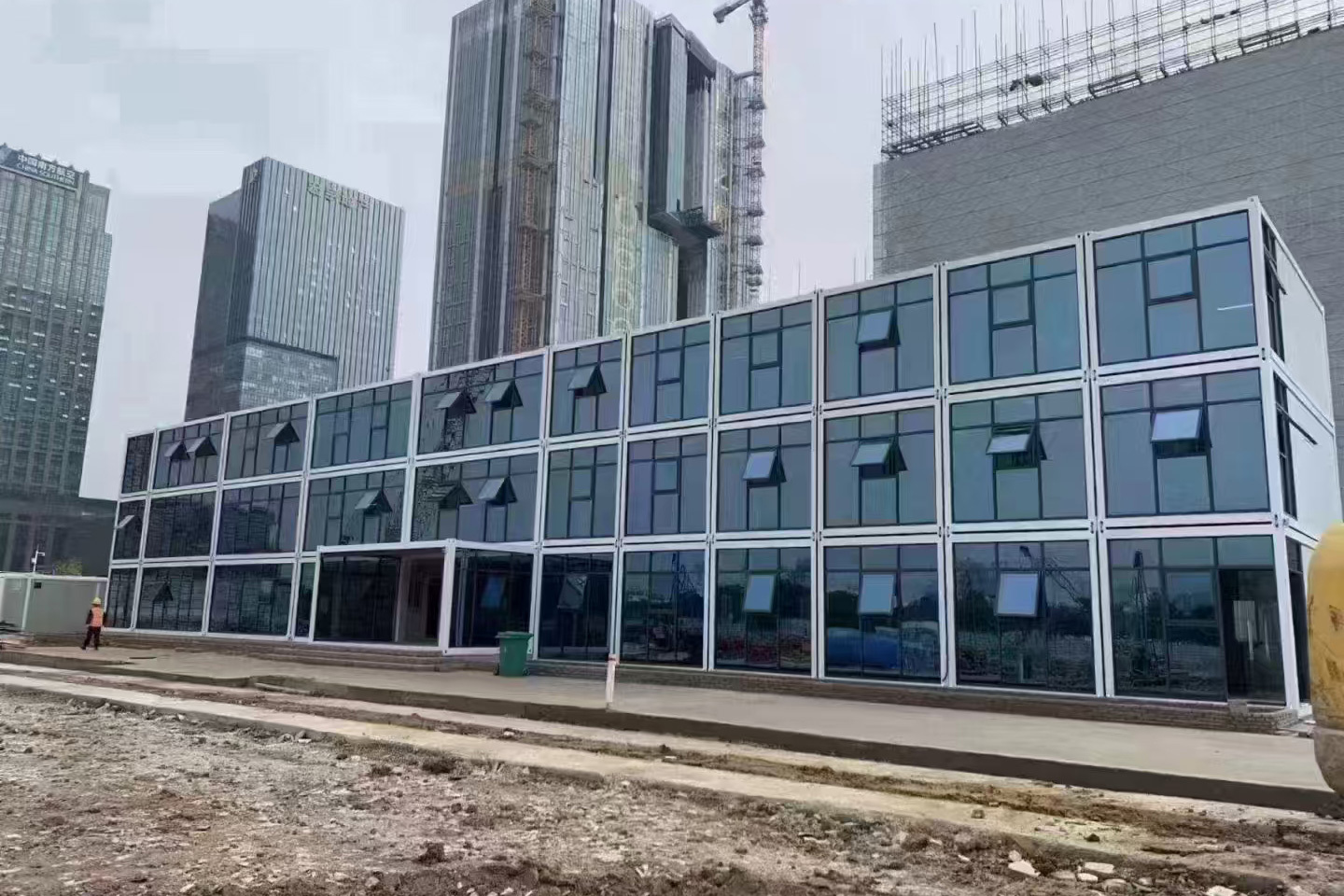
Discover the Transformative Benefits of Canopy Steel Structures in Modern Architecture
Table of Contents
- Introduction: The Rise of Steel in Architecture
- What Are Canopy Steel Structures?
- Benefits of Canopy Steel Structures
- Durability and Strength of Steel
- Design Flexibility and Aesthetic Appeal
- Sustainability and Environmental Benefits
- Applications of Canopy Steel Structures
- Installation and Maintenance of Canopy Steel Structures
- Cost Considerations for Canopy Steel Structures
- The Future of Canopy Steel Structures in Architecture
- FAQs: Understanding Canopy Steel Structures
- Conclusion: Embracing the Future of Architecture
Introduction: The Rise of Steel in Architecture
In the ever-evolving world of architecture, the choice of materials significantly influences design, functionality, and sustainability. Among the materials making waves in modern architecture is **steel**, particularly in the form of **canopy structures**. These structures are not merely functional; they represent a blend of artistry and engineering that meets contemporary needs while addressing environmental concerns.
Canopy steel structures are increasingly becoming essential components of modern architectural designs. As we delve deeper into the benefits and applications of these structures, we will uncover why architects and builders are turning to steel as a primary material in their projects.
What Are Canopy Steel Structures?
Canopy steel structures are overhead frameworks constructed primarily from steel. They serve a variety of purposes, such as providing shelter, enhancing outdoor spaces, and adding aesthetic value to buildings. These structures can be standalone or integrated into larger architectural designs, often used for entrances, walkways, and recreational areas.
Typically characterized by their **lightweight yet robust design**, canopy steel structures facilitate creative freedom in architectural projects. Their ability to span large areas without columns provides architects with a canvas to create striking and functional outdoor spaces.
Benefits of Canopy Steel Structures
The advantages of incorporating canopy steel structures into modern architecture are numerous, ranging from structural integrity to aesthetic versatility. Below, we explore some of the most compelling benefits.
Durability and Strength of Steel
One of the standout features of steel as a construction material is its exceptional durability and strength. Steel can withstand harsh weather conditions, resist corrosion, and endure the test of time.
When used in canopy structures, steel offers **long-term reliability**. It does not warp, splinter, or crack, unlike wood or other materials, ensuring that your structure will remain intact and visually appealing for years. This longevity translates into lower maintenance costs and fewer replacements over time, making it a cost-effective choice for builders.
Design Flexibility and Aesthetic Appeal
Canopy steel structures offer unparalleled **design flexibility**. Steel can be engineered into various shapes and sizes, allowing architects to explore innovative designs. Whether it’s a sleek modern entryway or a sprawling outdoor pavilion, the adaptability of steel can accommodate diverse architectural styles.
Moreover, the aesthetic appeal of steel can enhance the overall beauty of a structure. When combined with other materials such as glass or wood, steel can create striking contrasts that elevate the visual impact of a building. This creative potential makes canopy steel structures a favored choice among architects aiming to push the boundaries of design.
Sustainability and Environmental Benefits
As sustainability becomes a crucial consideration in construction, canopy steel structures stand out for their environmentally friendly attributes. Steel is highly recyclable, and using it in construction significantly reduces the need for raw materials.
By choosing steel, architects contribute to **sustainable practices** that help minimize waste. Additionally, the energy efficiency of steel structures can lead to lower operational costs over time. Advanced engineering techniques allow for improved insulation and energy management, further promoting eco-friendly design.
Applications of Canopy Steel Structures
The versatility of canopy steel structures means they can be employed in various settings. Below, we explore some of the most common applications.
Residential Applications
In residential settings, canopy steel structures are often used to create outdoor living spaces, such as patios and decks. They provide homeowners with a shaded area to relax and entertain while enhancing the aesthetic appeal of their property.
These structures can also serve as protective features, shielding entrances and walkways from the elements. By adding a canopy, homeowners can improve the functionality of their outdoor areas while adding a modern touch to their homes.
Commercial Applications
Commercial buildings frequently utilize canopy steel structures for entrances, walkways, and outdoor waiting areas. These structures create a welcoming environment for customers and clients, enhancing the overall experience.
In retail settings, canopies protect products and shoppers from inclement weather, making outdoor shopping more enjoyable. Furthermore, businesses can leverage the design flexibility of steel canopies to align with their branding and architectural vision.
Public Space Applications
Public spaces, such as parks, plazas, and transit stations, benefit greatly from canopy steel structures. They provide shelter for waiting areas, create gathering spaces, and enhance landscape features.
These structures can also integrate artistic elements, transforming public areas into vibrant community spaces. Canopies can be designed to accommodate events or festivals, showcasing the versatility of steel in urban design.
Installation and Maintenance of Canopy Steel Structures
The installation of canopy steel structures requires skilled labor and precise engineering. While the process may vary depending on the complexity of the design, the general steps include site preparation, foundation work, and assembly of the steel framework.
Once installed, steel canopies require minimal maintenance. Routine inspections and cleaning are typically sufficient to keep them in optimal condition. Their resistance to rot and pests makes them a low-maintenance solution compared to traditional materials.
Cost Considerations for Canopy Steel Structures
When assessing the costs associated with canopy steel structures, several factors come into play. Initial expenses may be higher than other materials, primarily due to fabrication and installation. However, the long-term savings associated with durability and low maintenance often outweigh these initial costs.
It’s essential to evaluate the overall value that canopy steel structures bring to a project. Their **lifespan**, **aesthetic impact**, and **sustainability benefits** can lead to significant financial advantages over time.
The Future of Canopy Steel Structures in Architecture
As technology advances, the future of canopy steel structures looks promising. Innovations in steel manufacturing, design software, and sustainability practices will likely enhance the capabilities of steel in architecture.
Emerging trends indicate a growing preference for materials that offer both functionality and aesthetic appeal. As architects continue to push boundaries, we can expect to see more creative and environmentally friendly applications of canopy steel structures in the years to come.
FAQs: Understanding Canopy Steel Structures
1. What types of projects benefit from canopy steel structures?
Canopy steel structures are ideal for residential, commercial, and public space projects, enhancing both functionality and aesthetics.
2. How do canopy steel structures compare to other materials?
Steel offers superior durability, strength, and design flexibility compared to materials like wood or concrete, making it a preferred choice for many architects.
3. Are canopy steel structures environmentally friendly?
Yes, steel is highly recyclable and can contribute to sustainable building practices, reducing waste and energy consumption.
4. What maintenance is required for canopy steel structures?
Routine inspections and cleaning are typically sufficient to maintain canopy steel structures, as they are resistant to rot and pests.
5. Do canopy steel structures require specialized installation?
Yes, the installation of canopy steel structures requires skilled labor and precise engineering to ensure structural integrity and safety.
Conclusion: Embracing the Future of Architecture
In conclusion, canopy steel structures represent a significant advancement in modern architecture, offering a unique combination of durability, design flexibility, and sustainability. As architects and builders continue to embrace innovative materials and practices, the role of steel in shaping the future of architectural design becomes increasingly prominent.
The benefits of these structures extend beyond mere aesthetics; they provide practical solutions that address contemporary challenges in construction and design. By understanding and utilizing canopy steel structures, we can create spaces that are not only visually stunning but also resilient and environmentally responsible. As we move forward, the potential for canopy steel structures to transform our architectural landscape is limitless.

Contact Us
E-mail :
183597530@qq.com
WhatsApp:
+86-13810577811
Address:
No. 4 Fengzhi Road, Binhe New District, Baotou Rare Earth High tech Zone, Inner Mongolia Autonomous Region