



Exploring the Benefits of Discount Lightweight Steel Frame Construction
Nov 03,2025
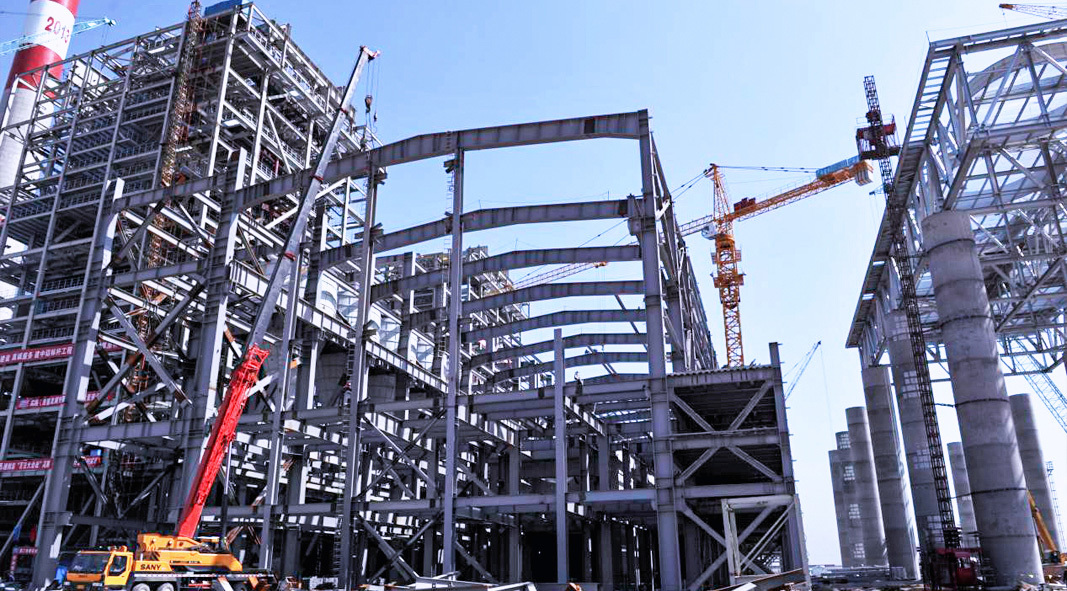
In the ever-evolving construction industry, lightweight steel frame construction has emerged as a popular choice among builders and architects. This method utilizes high-strength steel to create a robust and flexible framework that supports various building types, including residential, commercial, and industrial structures. The lightweight nature of this construction method offers a myriad of advantages, particularly in terms of cost, sustainability, and overall efficiency.
As we explore the benefits of discount lightweight steel frame construction, it is essential to understand the fundamental principles that make this approach advantageous. With the rising demand for cost-effective and sustainable building solutions, lightweight steel frames present an ideal option for modern construction projects.
Advantages of Lightweight Steel Construction
Lightweight steel construction comes with a host of benefits that distinguish it from traditional building methods. Below, we delve deeper into these advantages, focusing on key aspects contributing to its increasing popularity.
Cost Effectiveness of Steel Frame Construction
Cost efficiency is one of the most significant advantages of lightweight steel frame construction. Here are the primary factors that contribute to its affordability:
1. Reduced Material Costs: Lightweight steel requires fewer raw materials compared to traditional wooden or concrete frameworks, leading to lower material costs.
2. Minimized Labor Costs: The ease of handling and assembling steel frames results in reduced labor time and costs. Builders can complete projects more quickly, translating to additional savings.
3. Lower Maintenance Costs: Steel is inherently resistant to pests and rot, which diminishes long-term maintenance expenses associated with traditional materials.
4. Long-term Investment: While the initial investment in steel framing may be higher than wood, the longevity and durability of steel lead to lower lifetime costs.
Durability and Strength
Durability is a critical factor in any construction project, and lightweight steel frames excel in this area. Steel structures can withstand harsh weather conditions, including high winds, heavy snowfall, and seismic activity. The inherent strength of steel ensures structural integrity over the years, providing peace of mind for builders and homeowners alike.
Additionally, steel frames are non-combustible, offering increased fire resistance compared to wood. This safety feature can significantly lower insurance premiums and increase the overall value of the property.
Energy Efficiency in Buildings
Energy efficiency is increasingly vital in today’s construction projects. Lightweight steel frame construction promotes energy-efficient designs through:
1. Insulation Compatibility: Steel frames can easily accommodate various insulation materials, enhancing thermal performance and reducing energy consumption.
2. Reduced HVAC Loads: A well-insulated steel structure minimizes heating and cooling demands, leading to significant energy savings over time.
3. Sustainable Energy Solutions: Many lightweight steel buildings incorporate solar panels and other renewable energy technologies, further boosting their energy efficiency.
Environmental Benefits of Steel Frame Construction
In an age where sustainability is paramount, lightweight steel frame construction stands out as an environmentally friendly choice. The environmental benefits include:
1. Recyclability: Steel is one of the most recycled materials globally. At the end of its life cycle, steel can be repurposed without losing its inherent properties.
2. Reduced Waste: The precision manufacturing of steel components allows for minimal waste generation during construction, making it an eco-conscious option.
3. Sustainable Sourcing: Many steel manufacturers adhere to strict environmental regulations, ensuring that steel is produced sustainably.
By opting for lightweight steel frame construction, builders and homeowners can significantly reduce their environmental footprint.
Design Flexibility and Versatility
One of the standout features of lightweight steel frame construction is its design flexibility. Steel's strength-to-weight ratio allows for longer spans and open layouts, providing architects with more creative freedom. Here’s how it enhances design possibilities:
1. Variety of Architectural Styles: Lightweight steel frames can support various architectural designs, from modern minimalist to traditional styles.
2. Adaptability: Steel structures can be easily modified or expanded, making it easier to adapt buildings to changing needs.
3. Innovative Solutions: The unique properties of steel enable the implementation of innovative architectural elements, such as large glass facades and cantilevered designs.
Construction Speed and Efficiency
As construction timelines become more pressing, the speed of construction provided by lightweight steel frames offers a competitive edge. This efficiency is attributed to:
1. Pre-fabrication: Components can be prefabricated off-site, allowing for simultaneous site preparation and component assembly, significantly reducing overall project timelines.
2. Quick Assembly: The lightweight nature of steel simplifies transportation and handling, allowing builders to erect structures faster than traditional methods.
3. Less Weather Dependence: Steel frames are less affected by weather conditions, enabling work progress even during inclement weather.
This combination of speed and efficiency translates to quicker project turnover and lower costs.
Safety Aspects of Steel Construction
Safety is paramount in construction, and lightweight steel frames offer numerous benefits in this regard:
1. Fire Resistance: Steel's non-combustible nature provides built-in fire protection, ensuring enhanced safety for occupants.
2. Structural Integrity: The strength of steel frames allows buildings to withstand natural disasters, reducing the risk of catastrophic failures.
3. Reduced Risk of Pests: Steel is impervious to termites and other pests that often compromise wood structures, enhancing durability and safety.
Disadvantages and Considerations
While lightweight steel frame construction has many benefits, certain considerations must be addressed:
1. Initial Cost: The upfront investment for materials might be higher than traditional wood options, although this cost can be offset by long-term savings.
2. Thermal Conductivity: Steel conducts heat, which may require additional insulation to maintain energy efficiency.
3. Corrosion: Steel can corrode if not adequately protected, necessitating proper coatings and maintenance to extend longevity.
Taking these factors into account allows builders and homeowners to make informed decisions when choosing lightweight steel frame construction.
Conclusion
The benefits of discount lightweight steel frame construction cannot be overstated. This innovative approach to building offers remarkable cost savings, enhanced durability, and environmental sustainability, making it an attractive option for modern construction projects. Its flexibility and efficiency provide builders with creative freedom while ensuring safety and structural integrity.
As the construction industry continues to evolve, lightweight steel frame construction stands out as a forward-thinking choice that meets the demands of both builders and environmentally conscious consumers. By choosing this method, you are investing in a reliable, efficient, and sustainable future for construction.

Contact Us
E-mail :
183597530@qq.com
WhatsApp:
+86-13810577811
Address:
No. 4 Fengzhi Road, Binhe New District, Baotou Rare Earth High tech Zone, Inner Mongolia Autonomous Region