



Elevate Your Projects with Fancy Prefabricated Steel Truss Bridges: The Ultimate Guide
Oct 22,2025
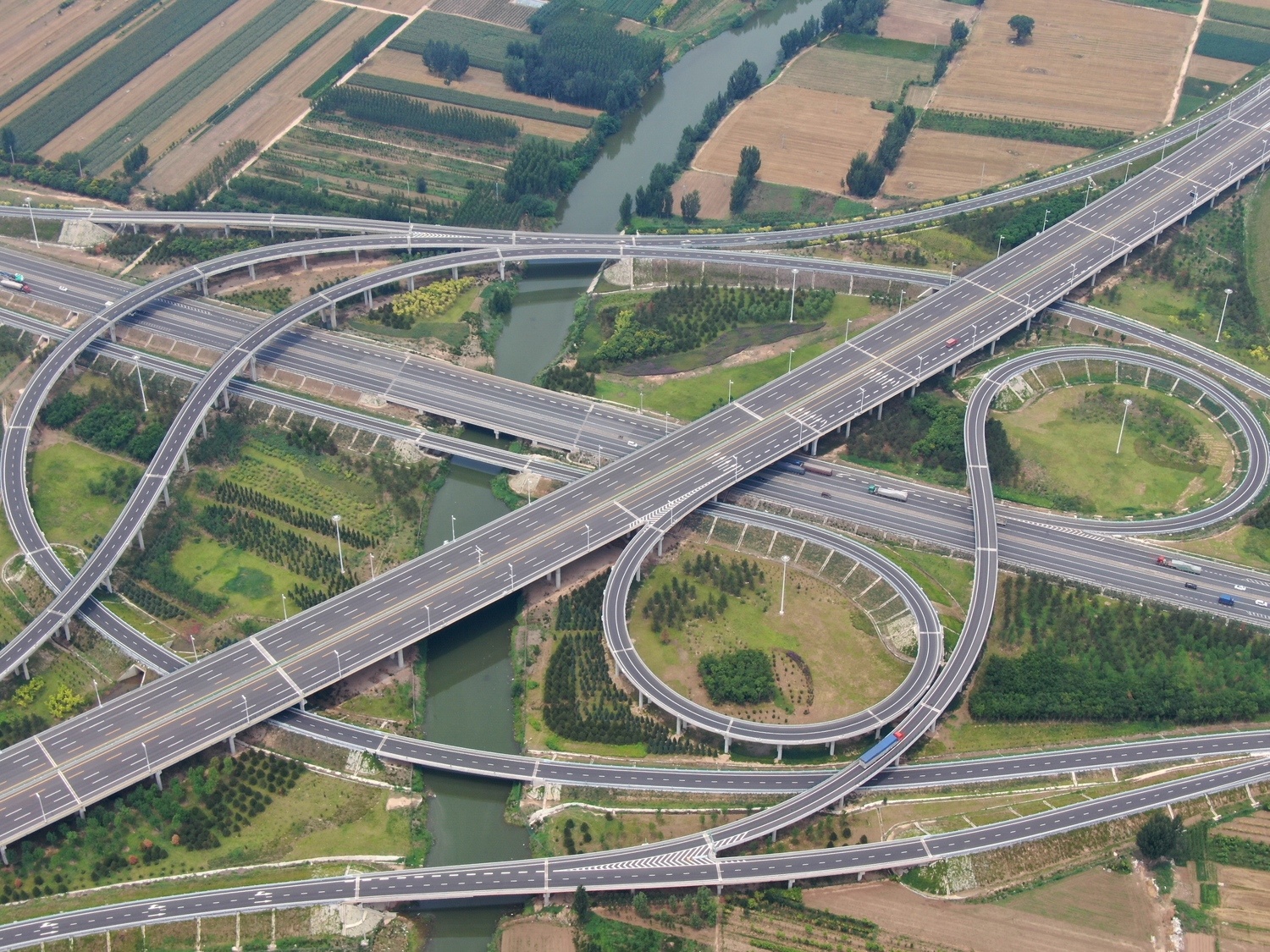
Elevate Your Projects with Fancy Prefabricated Steel Truss Bridges
Table of Contents
1. Introduction to Prefabricated Steel Truss Bridges
2. Understanding Steel Truss Bridge Design
3. Advantages of Using Prefabricated Steel Truss Bridges
3.1 Cost-Effectiveness
3.2 Speed of Construction
3.3 Durability and Sustainability
4. Applications of Prefabricated Steel Truss Bridges
4.1 Urban Infrastructure
4.2 Rural Applications
4.3 Pedestrian and Bicycle Bridges
5. Key Considerations When Choosing Steel Truss Bridges
5.1 Load Requirements
5.2 Environmental Factors
6. Installation Process of Prefabricated Steel Truss Bridges
7. Maintenance and Longevity of Steel Truss Bridges
8. FAQs About Prefabricated Steel Truss Bridges
9. Conclusion
1. Introduction to Prefabricated Steel Truss Bridges
Prefabricated steel truss bridges represent a revolutionary advancement in construction, offering a blend of aesthetic appeal and structural integrity. These bridges are designed to be assembled quickly and efficiently, often off-site, before being transported to their final location. Their unique design allows for both load distribution and flexibility, making them an ideal choice for various construction projects.
2. Understanding Steel Truss Bridge Design
Steel truss bridges are characterized by their triangular framework, which provides significant strength while using a minimal amount of material. The design includes chords (the top and bottom parts of the truss) and webs (the diagonal and vertical members), distributing weight and stress effectively. An in-depth understanding of these components is essential for selecting the right design for your project.
3. Advantages of Using Prefabricated Steel Truss Bridges
3.1 Cost-Effectiveness
Utilizing prefabricated steel truss bridges can lead to substantial cost savings. By manufacturing components off-site, labor costs are reduced, and the need for extensive on-site construction is minimized. Additionally, their longevity results in lower maintenance costs over time.
3.2 Speed of Construction
One of the most significant advantages is the speed of construction. Prefabricated sections can be quickly assembled, significantly reducing the time between project initiation and completion. This efficiency is particularly beneficial for projects with tight deadlines.
3.3 Durability and Sustainability
Steel is one of the most durable materials available, providing resistance to weather, pests, and wear. Moreover, many manufacturers now focus on sustainable practices, utilizing recycled steel and minimizing waste during production. This commitment to sustainability aligns with modern environmental standards and helps reduce the carbon footprint of construction projects.
4. Applications of Prefabricated Steel Truss Bridges
4.1 Urban Infrastructure
In urban settings, prefabricated steel truss bridges can enhance transportation networks, facilitating movement across busy roadways, rail lines, and waterways. Their aesthetic appeal also contributes to urban beautification.
4.2 Rural Applications
In rural areas, these bridges can provide crucial access to remote communities, enhancing connectivity and enabling the transport of goods and services. They can be designed to accommodate light vehicular traffic or even pedestrians.
4.3 Pedestrian and Bicycle Bridges
As cities increasingly focus on sustainability, pedestrian and bicycle bridges made from prefabricated steel trusses offer safe and efficient routes for non-motorized transportation. These structures not only promote a healthier lifestyle but also reduce traffic congestion.
5. Key Considerations When Choosing Steel Truss Bridges
5.1 Load Requirements
Determining the load requirements for your bridge is essential. This includes considering the types of vehicles and the volume of traffic that will utilize the bridge. Understanding these parameters will help ensure that the selected design can accommodate expected stresses.
5.2 Environmental Factors
Local environmental conditions, such as weather patterns and geological considerations, also influence design choices. Selecting materials and designs that can withstand local conditions is crucial for the bridge's longevity.
6. Installation Process of Prefabricated Steel Truss Bridges
The installation of prefabricated steel truss bridges involves several key steps:
1. **Site Preparation**: The installation site must be prepared to support the bridge's weight.
2. **Transporting Components**: The prefabricated sections are transported to the site.
3. **Assembly**: Using cranes or other lifting devices, the sections are assembled following careful alignment and connection procedures.
4. **Final Inspection**: Once assembled, a thorough inspection is conducted to ensure all components are secure and meet safety standards.
7. Maintenance and Longevity of Steel Truss Bridges
Regular maintenance is essential to extend the life of steel truss bridges. This includes periodic inspections, addressing any signs of corrosion, and ensuring that all connections remain tight. When properly maintained, these bridges can last for decades, providing a reliable infrastructure solution.
8. FAQs About Prefabricated Steel Truss Bridges
1. What are the main benefits of prefabricated steel truss bridges?
The main benefits include reduced construction time, cost savings, and enhanced durability.
2. How long do steel truss bridges typically last?
With proper maintenance, steel truss bridges can last 50 years or more.
3. Can these bridges be customized for specific projects?
Yes, prefabricated steel truss bridges can be designed to meet specific project requirements, including size and load capacity.
4. What environmental considerations should be addressed?
Factors such as local climate, soil conditions, and drainage must be assessed to ensure the bridge's longevity and functionality.
5. Are there any limitations to using prefabricated steel truss bridges?
While they offer many advantages, limitations can include transportation challenges for larger sections and the need for skilled labor for assembly.
9. Conclusion
Prefabricated steel truss bridges are a versatile and innovative solution for modern construction needs, offering unparalleled benefits in terms of cost, speed, and durability. Their ability to enhance urban and rural infrastructure makes them an ideal choice for various applications. By understanding the advantages, applications, and installation processes, project managers can make informed decisions that elevate their construction projects to new heights.

Contact Us
E-mail :
183597530@qq.com
WhatsApp:
+86-13810577811
Address:
No. 4 Fengzhi Road, Binhe New District, Baotou Rare Earth High tech Zone, Inner Mongolia Autonomous Region