



Exploring the Benefits of Quality Steel Truss Pedestrian Bridges
Aug 14,2025
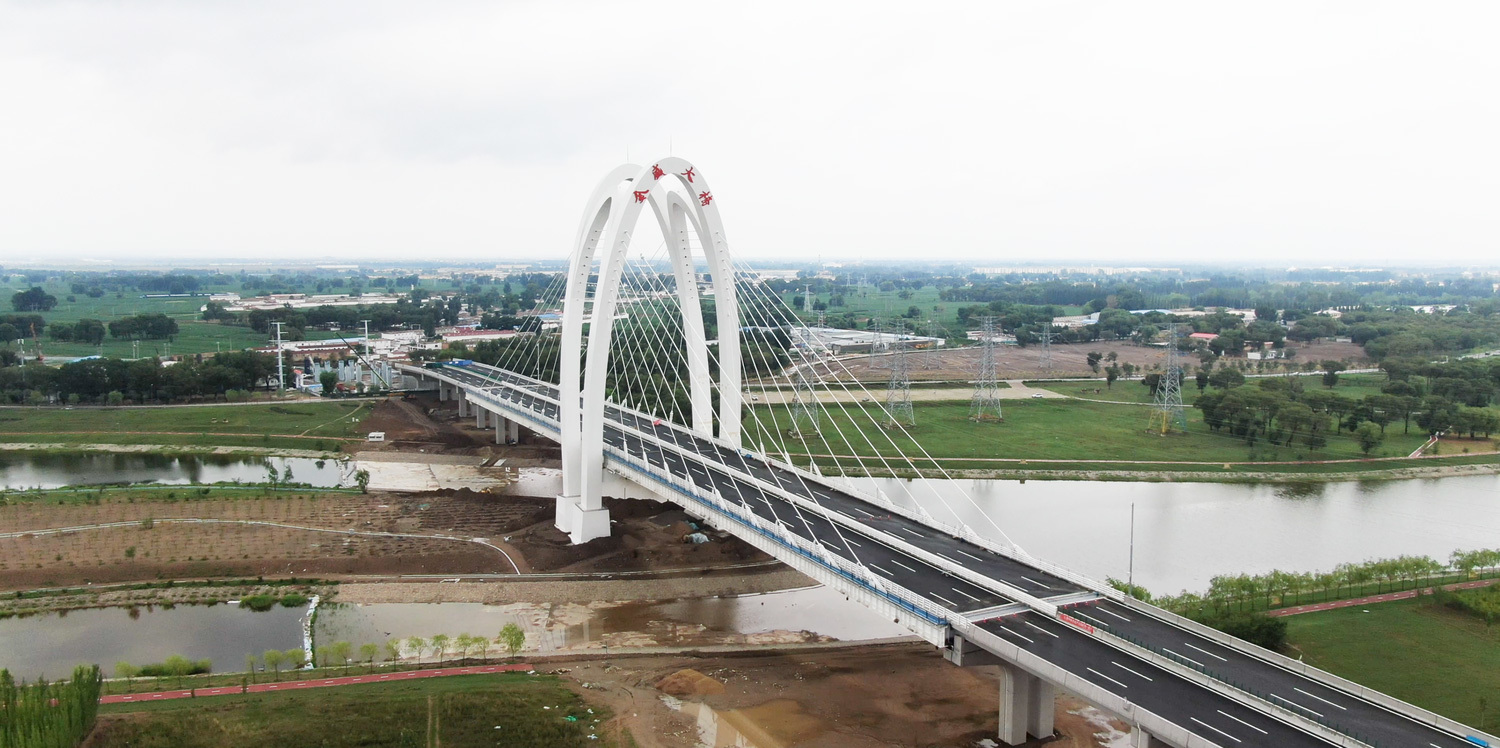
Exploring the Benefits of Quality Steel Truss Pedestrian Bridges
Table of Contents
- 1. Introduction to Steel Truss Pedestrian Bridges
- 2. Design Advantages of Steel Truss Bridges
- 3. Durability and Maintenance of Steel Truss Structures
- 4. Economic Benefits of Steel Truss Pedestrian Bridges
- 5. Sustainability and Environmental Impact
- 6. Aesthetic Value of Steel Truss Bridges
- 7. Case Studies: Successful Steel Truss Bridge Projects
- 8. Frequently Asked Questions
- 9. Conclusion
1. Introduction to Steel Truss Pedestrian Bridges
Steel truss pedestrian bridges have become increasingly popular in urban and rural settings. These structures are essential for enhancing connectivity and providing safe pathways for foot traffic. A truss bridge, distinguished by its triangular framework, offers a unique blend of strength and aesthetic appeal. This article explores the myriad benefits of quality steel truss pedestrian bridges, including their design advantages, durability, economic viability, and contribution to sustainable development.
2. Design Advantages of Steel Truss Bridges
Quality steel truss pedestrian bridges stand out due to their innovative design. The use of triangular shapes in truss construction allows for efficient load distribution, making them less material-intensive while maintaining strength. This design is not only functional but also versatile, allowing for various configurations to meet the specific needs of a location.
2.1 Customization Options
One of the major design advantages is the ability to customize these bridges according to specific requirements. From length and width to the type of truss configuration, designers can tailor each bridge to fit the geographical and architectural context of the project. This flexibility ensures that pedestrian bridges can integrate seamlessly into their surroundings.
2.2 Minimal Footprint
Steel truss bridges typically require less space than other bridge types. Their slender design minimizes the physical footprint, allowing them to be installed in areas where traditional bridges may not be feasible. This is particularly beneficial in urban environments where space is at a premium.
3. Durability and Maintenance of Steel Truss Structures
Steel is renowned for its strength, making it an ideal material for pedestrian bridges. The durability of steel truss bridges ensures they can withstand various environmental conditions, from heavy rain to snow and extreme temperatures.
3.1 Resistance to Corrosion
High-quality steel can be treated to resist corrosion, significantly extending the lifespan of these structures. Regular maintenance, such as inspections and repainting, further enhances durability, ensuring that the bridge remains safe and functional for years to come.
3.2 Longevity and Cost-Effectiveness
Investing in steel truss pedestrian bridges can be more cost-effective over time due to their longevity. With proper care, these bridges can last for decades, reducing the need for frequent repairs or replacements that often plague lesser-quality structures.
4. Economic Benefits of Steel Truss Pedestrian Bridges
The economic implications of choosing a steel truss pedestrian bridge are significant. From construction costs to long-term savings, these structures offer financial advantages that can benefit communities and municipalities alike.
4.1 Lower Construction Costs
Steel truss bridges can often be constructed more quickly than other types of bridges due to their modular nature. This rapid construction leads to lower labor costs and minimizes disruptions in the surrounding area.
4.2 Increased Property Values
In areas where pedestrian bridges are installed, property values often see an increase. These structures enhance accessibility, which can attract new businesses and residents, leading to overall economic growth in the community.
5. Sustainability and Environmental Impact
Sustainability is a critical consideration in today’s construction landscape. Quality steel truss pedestrian bridges offer several environmental advantages that align with green building practices.
5.1 Recyclability of Steel
One of the most significant benefits of using steel is its recyclability. At the end of its life cycle, a steel truss bridge can be recycled and repurposed, minimizing waste and reducing the environmental impact associated with new material production.
5.2 Reduced Carbon Footprint
The efficient design and construction methods associated with steel truss bridges often lead to a reduced carbon footprint. By utilizing fewer materials and minimizing site disturbance, these bridges contribute to more sustainable infrastructure development.
6. Aesthetic Value of Steel Truss Bridges
Beyond functionality, steel truss pedestrian bridges offer aesthetic appeal that can enhance the visual landscape of an area.
6.1 Architectural Integration
The sleek lines and modern design of steel truss bridges allow them to serve as architectural focal points. They can be designed to complement existing buildings and natural surroundings, making them attractive features in public spaces.
6.2 Artistic Possibilities
Many designers incorporate artistic elements into the bridge design, such as lighting, color, and unique shapes. These features can transform a pedestrian bridge into a landmark, promoting tourism and community pride.
7. Case Studies: Successful Steel Truss Bridge Projects
Exploring real-world examples can provide insight into the benefits of steel truss pedestrian bridges.
7.1 The High Line, New York City
Originally a freight rail line, the High Line was transformed into a pedestrian park featuring steel truss elements. This project has revitalized the surrounding area, increased property values, and attracted millions of visitors annually.
7.2 The Karamu Walkway, New Zealand
Following the design principles of quality steel truss bridges, the Karamu Walkway provides a safe and scenic path for pedestrians. Its successful integration into the local environment serves as a model for future projects.
8. Frequently Asked Questions
8.1 What are the main advantages of steel truss pedestrian bridges?
Quality steel truss pedestrian bridges offer design flexibility, durability, lower construction costs, economic benefits, sustainability, and aesthetic value.
8.2 How long do steel truss bridges typically last?
With proper maintenance, steel truss bridges can last for several decades, often exceeding 50 years.
8.3 Are steel truss pedestrian bridges environmentally friendly?
Yes, steel truss bridges are environmentally friendly due to the recyclability of steel and their potential to reduce carbon footprints.
8.4 Can these bridges be customized for specific locations?
Absolutely. Steel truss pedestrian bridges can be designed and customized to fit the unique requirements of their locations.
8.5 What is the cost comparison between steel truss bridges and other types?
While initial costs may vary, steel truss bridges often prove more cost-effective over time due to their lower maintenance needs and longevity.
9. Conclusion
Quality steel truss pedestrian bridges are more than just functional structures; they are vital components of modern infrastructure. Their design advantages, durability, economic benefits, and sustainable attributes make them a wise choice for communities aiming to enhance connectivity and accessibility. As we continue to prioritize safety and environmental responsibility, investing in steel truss bridges will play a crucial role in shaping the future of our urban landscapes. The transformative potential of these bridges underscores their importance in building a more connected and sustainable world.

Contact Us
E-mail :
183597530@qq.com
WhatsApp:
+86-13810577811
Address:
No. 4 Fengzhi Road, Binhe New District, Baotou Rare Earth High tech Zone, Inner Mongolia Autonomous Region