



Exploring the Benefits of Modular Steel Bridges for Modern Construction
Aug 04,2025
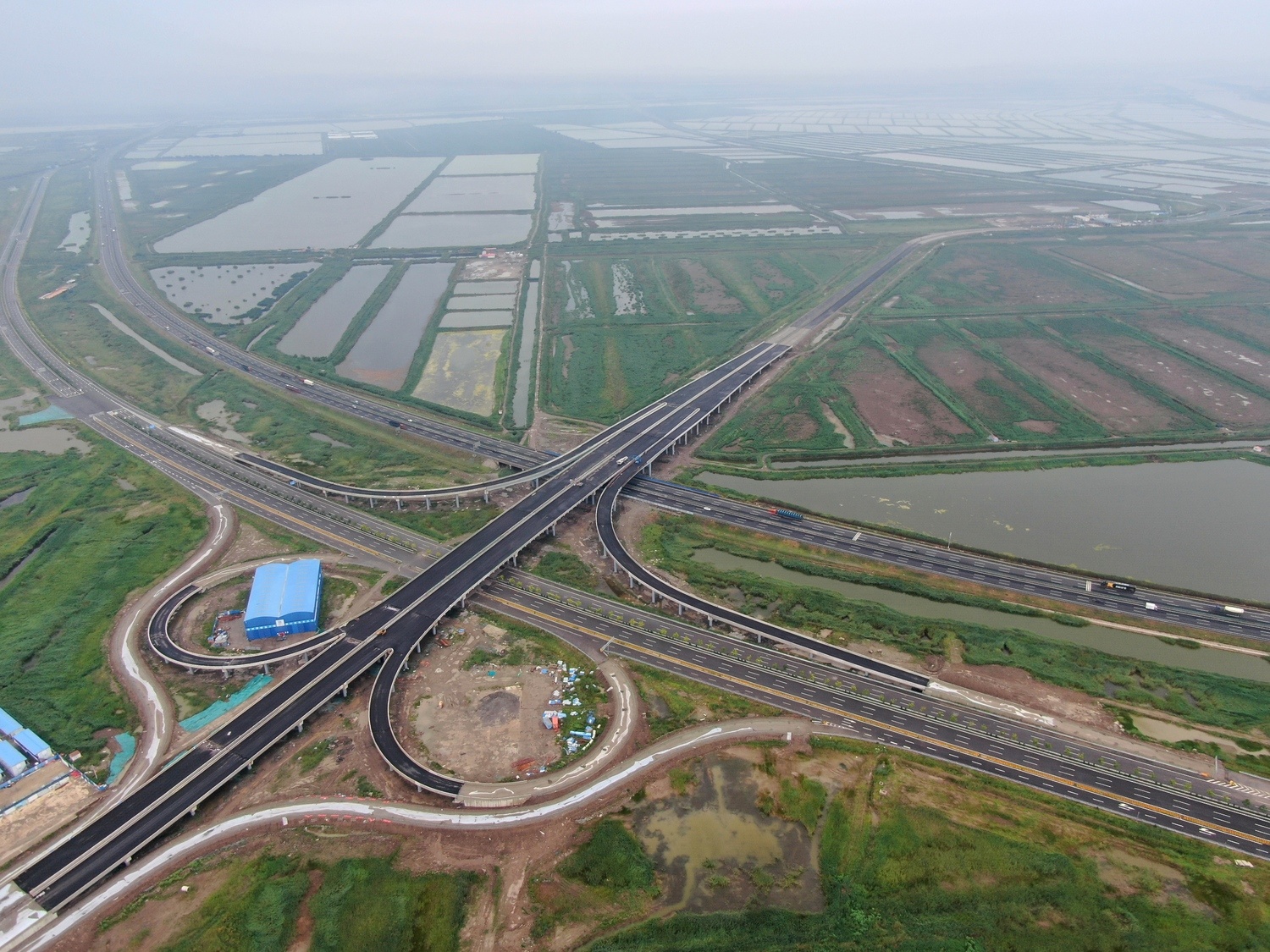
Exploring the Benefits of Modular Steel Bridges for Modern Construction
Table of Contents
1. Introduction to Modular Steel Bridges
2. What Are Modular Steel Bridges?
3. Advantages of Modular Steel Bridges
- 3.1 Economic Benefits
- 3.2 Design Flexibility
- 3.3 Sustainability
- 3.4 Rapid Installation
4. Applications and Use Cases
5. Construction Process of Modular Steel Bridges
6. Challenges and Considerations
7. Future Trends in Modular Steel Bridges
8. Conclusion
9. FAQs
Introduction to Modular Steel Bridges
In the realm of modern construction, the need for efficient, cost-effective, and sustainable solutions has never been more pressing. Among various innovations, **modular steel bridges** stand out as a transformative option. These structures offer a blend of durability, speed of construction, and adaptability, catering to diverse infrastructural needs. As urban areas expand and infrastructure demands increase, understanding the benefits of modular steel bridges becomes essential for stakeholders in the construction and architecture sectors.
What Are Modular Steel Bridges?
Modular steel bridges are prefabricated structures designed for ease of installation and flexibility in design. Comprising steel components manufactured off-site, these bridges can be transported and assembled quickly on location. The modular approach allows for various configurations, accommodating different spans, widths, and load capacities, making them suitable for a wide range of applications, from pedestrian walkways to heavy traffic roads.
Advantages of Modular Steel Bridges
The adoption of modular steel bridges in modern construction is driven by several compelling advantages. Below, we delve into the key benefits that make these structures a favorable choice for engineers and project managers alike.
Economic Benefits
One of the most significant advantages of modular steel bridges is their **cost-effectiveness**. The prefabrication process reduces on-site labor requirements, leading to lower construction costs. Additionally, the reduced construction time translates to decreased project timelines, enabling quicker returns on investment. With **maintenance costs** often lower than traditional bridge structures due to the resilience of steel, long-term savings further enhance the economic appeal of modular steel bridges.
Design Flexibility
Modular steel bridges offer unparalleled design flexibility. Engineers can customize these structures to meet specific site requirements and aesthetic considerations. Various styles, finishes, and configurations can be employed, allowing for seamless integration into diverse environments. Whether for rural areas or urban centers, modular steel bridges can be adapted to serve different functions while maintaining structural integrity and safety.
Sustainability
In today’s environmentally conscious world, sustainability plays a crucial role in construction choices. Modular steel bridges contribute to greener building practices by utilizing recyclable materials. The steel used in these bridges can be repurposed at the end of its lifespan, minimizing waste. Furthermore, the efficient construction process reduces the carbon footprint associated with traditional bridge building methods, aligning with global sustainability goals.
Rapid Installation
Time is an invaluable resource in construction, and modular steel bridges excel in this regard. The prefabrication process allows for simultaneous site preparation and component manufacturing, significantly shortening project timelines. Once delivered to the site, the installation can often be completed within days rather than months, minimizing disruptions to traffic and local communities. This rapid installation capability ensures that essential infrastructure projects are completed quickly and efficiently.
Applications and Use Cases
The versatility of modular steel bridges allows for a wide array of applications, including:
- **Pedestrian Bridges:** Ideal for parks, urban centers, and connectivity projects, these bridges enhance walkability and safety.
- **Vehicular Bridges:** Designed to accommodate light to heavy traffic, modular steel bridges can be used for highways, rural roads, and rail crossings.
- **Temporary Bridges:** Often employed for construction projects or emergency access, these structures can be quickly erected and removed as needed.
- **Specialized Structures:** Unique designs can be crafted for specific needs, such as military applications or environmentally sensitive areas.
Construction Process of Modular Steel Bridges
The construction of modular steel bridges involves several key stages:
1. **Design and Engineering:** Initial planning involves assessing needs, site conditions, and regulatory requirements.
2. **Prefabrication:** Components are manufactured off-site in controlled conditions, ensuring quality and precision.
3. **Transportation:** Once completed, the modular sections are transported to the construction site.
4. **Site Preparation:** The site is readied through excavation and foundation work to accommodate the bridge.
5. **Installation:** Prefabricated sections are assembled on-site, often with the use of cranes, to form the complete structure.
6. **Final Inspection:** Thorough safety checks and inspections ensure that the bridge meets all necessary standards before opening to traffic.
Challenges and Considerations
While modular steel bridges present numerous benefits, some challenges must be considered:
- **Initial Costs:** Although they can be more economical in the long run, the upfront costs associated with design and fabrication can be higher than traditional methods.
- **Transportation Limitations:** The size and weight of modular components may present logistical challenges during transportation to remote or urban sites.
- **Regulatory Compliance:** Ensuring all components meet local codes and regulations can be a complex process requiring thorough coordination.
Future Trends in Modular Steel Bridges
The future of modular steel bridges looks promising, with ongoing advancements in technology and sustainability practices. Emerging trends include:
- **Smart Bridge Technologies:** Integrating sensors and monitoring systems to enhance safety and maintenance operations.
- **Sustainable Materials:** Exploring innovative materials that can further reduce environmental impact, such as hybrid materials.
- **Enhanced Aesthetics:** Collaborating with architects to create visually appealing designs that enhance the surrounding environment.
Conclusion
Modular steel bridges are revolutionizing the construction landscape, offering a myriad of advantages that cater to the needs of modern infrastructure projects. From economic efficiency and design flexibility to sustainability and rapid installation, these structures present a compelling case for adoption in various applications. As the construction industry continues to evolve, embracing innovative solutions like modular steel bridges will be essential in meeting the demands of tomorrow's infrastructure challenges.
FAQs
**1. What are the primary materials used in modular steel bridges?**
Modular steel bridges primarily utilize high-strength steel for their components, which provides durability and structural integrity.
**2. How long does it typically take to install a modular steel bridge?**
Installation times can vary depending on the size and complexity of the bridge but can often be completed in a few days.
**3. Are modular steel bridges suitable for all types of environments?**
Yes, modular steel bridges can be designed to withstand various environmental conditions, making them suitable for urban, rural, and harsh environments.
**4. What maintenance is required for modular steel bridges?**
While modular steel bridges are low maintenance, regular inspections and minor repairs may be needed to ensure longevity and safety.
**5. How do modular steel bridges compare to traditional bridge construction?**
Modular steel bridges generally offer faster construction times, lower labor costs, and enhanced design flexibility compared to traditional methods.

Contact Us
E-mail :
183597530@qq.com
WhatsApp:
+86-13810577811
Address:
No. 4 Fengzhi Road, Binhe New District, Baotou Rare Earth High tech Zone, Inner Mongolia Autonomous Region