



Exploring Advanced Steel Pedestrian Bridges: A Modern Solution for Urban Infrastructure
Aug 03,2025
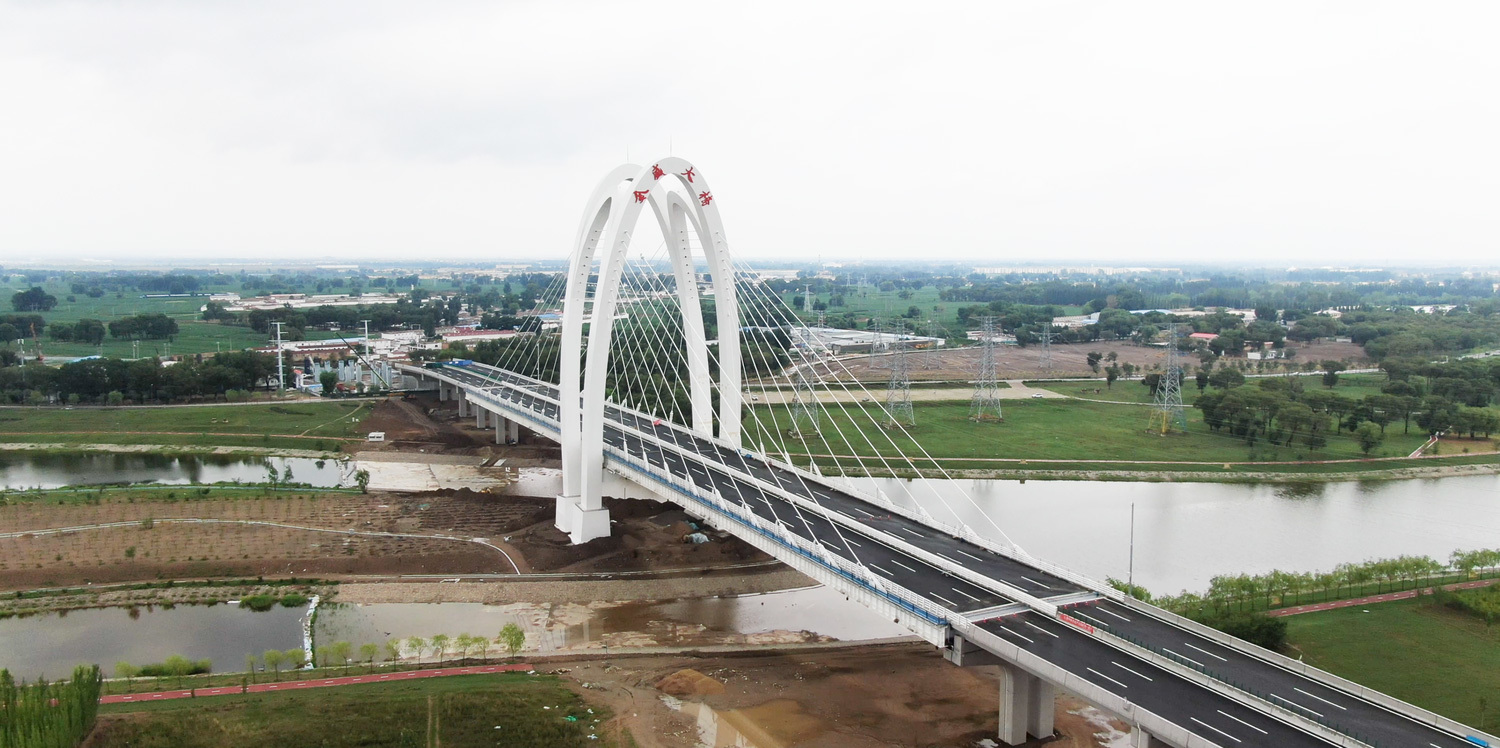
Advanced steel pedestrian bridges represent a significant advancement in urban infrastructure, offering functional and aesthetic benefits in various environments. These structures are designed not only to facilitate pedestrian movement but also to complement the surrounding landscape and architecture.
One of the key advantages of advanced steel pedestrian bridges is their ability to span considerable distances while maintaining structural integrity. Steel, known for its high strength-to-weight ratio, allows for longer spans without the need for extensive support systems. This characteristic makes them ideal for urban areas where space is often limited, and large columns or supports may obstruct pedestrian flow or views.
Moreover, advanced steel pedestrian bridges can be designed to incorporate innovative architectural features, such as unique shapes and lighting elements, which can enhance the overall aesthetic appeal of a city. Their sleek designs can transform typical walkways into striking landmarks, promoting not just functionality but also cultural and social engagement within communities.
Sustainability is another critical aspect of advanced steel pedestrian bridges. Steel is a recyclable material, and many modern designs prioritize eco-friendly practices throughout their lifecycle—from production to construction and eventual deconstruction. This sustainability approach aligns with growing urban initiatives aimed at reducing carbon footprints and promoting greener living environments.
Additionally, advanced steel pedestrian bridges often include features that improve safety and accessibility. For instance, they can be equipped with anti-slip surfaces, adequate lighting, and barriers to protect pedestrians from vehicular traffic. These features make them suitable for diverse pedestrian demographics, including children, the elderly, and individuals with disabilities.
In terms of maintenance, advanced steel pedestrian bridges typically require less upkeep compared to traditional materials. Steel can withstand harsh weather conditions and is resistant to rotting and pest infestations. Regular inspections, combined with proper coatings and treatments, can further extend their lifespan, making them a durable choice for city planners.
As cities continue to grow and evolve, the role of advanced steel pedestrian bridges becomes increasingly vital. They not only serve as essential connectors for urban mobility but also contribute to the aesthetic and functional richness of urban landscapes. Whether spanning rivers, connecting parks, or linking neighborhoods, these bridges are a testament to modern engineering and design, paving the way for a more integrated and pedestrian-friendly future.
In summary, advanced steel pedestrian bridges offer a variety of benefits, including enhanced mobility, aesthetic value, sustainability, safety, and low maintenance needs. Their innovative design and construction contribute to modern urban infrastructure, making them a valuable asset in the ongoing development of cities worldwide.
One of the key advantages of advanced steel pedestrian bridges is their ability to span considerable distances while maintaining structural integrity. Steel, known for its high strength-to-weight ratio, allows for longer spans without the need for extensive support systems. This characteristic makes them ideal for urban areas where space is often limited, and large columns or supports may obstruct pedestrian flow or views.
Moreover, advanced steel pedestrian bridges can be designed to incorporate innovative architectural features, such as unique shapes and lighting elements, which can enhance the overall aesthetic appeal of a city. Their sleek designs can transform typical walkways into striking landmarks, promoting not just functionality but also cultural and social engagement within communities.
Sustainability is another critical aspect of advanced steel pedestrian bridges. Steel is a recyclable material, and many modern designs prioritize eco-friendly practices throughout their lifecycle—from production to construction and eventual deconstruction. This sustainability approach aligns with growing urban initiatives aimed at reducing carbon footprints and promoting greener living environments.
Additionally, advanced steel pedestrian bridges often include features that improve safety and accessibility. For instance, they can be equipped with anti-slip surfaces, adequate lighting, and barriers to protect pedestrians from vehicular traffic. These features make them suitable for diverse pedestrian demographics, including children, the elderly, and individuals with disabilities.
In terms of maintenance, advanced steel pedestrian bridges typically require less upkeep compared to traditional materials. Steel can withstand harsh weather conditions and is resistant to rotting and pest infestations. Regular inspections, combined with proper coatings and treatments, can further extend their lifespan, making them a durable choice for city planners.
As cities continue to grow and evolve, the role of advanced steel pedestrian bridges becomes increasingly vital. They not only serve as essential connectors for urban mobility but also contribute to the aesthetic and functional richness of urban landscapes. Whether spanning rivers, connecting parks, or linking neighborhoods, these bridges are a testament to modern engineering and design, paving the way for a more integrated and pedestrian-friendly future.
In summary, advanced steel pedestrian bridges offer a variety of benefits, including enhanced mobility, aesthetic value, sustainability, safety, and low maintenance needs. Their innovative design and construction contribute to modern urban infrastructure, making them a valuable asset in the ongoing development of cities worldwide.

Contact Us
E-mail :
183597530@qq.com
WhatsApp:
+86-13810577811
Address:
No. 4 Fengzhi Road, Binhe New District, Baotou Rare Earth High tech Zone, Inner Mongolia Autonomous Region