



How Advanced Suspension Steel Bridges Are Revolutionizing Modern Architecture
Aug 02,2025
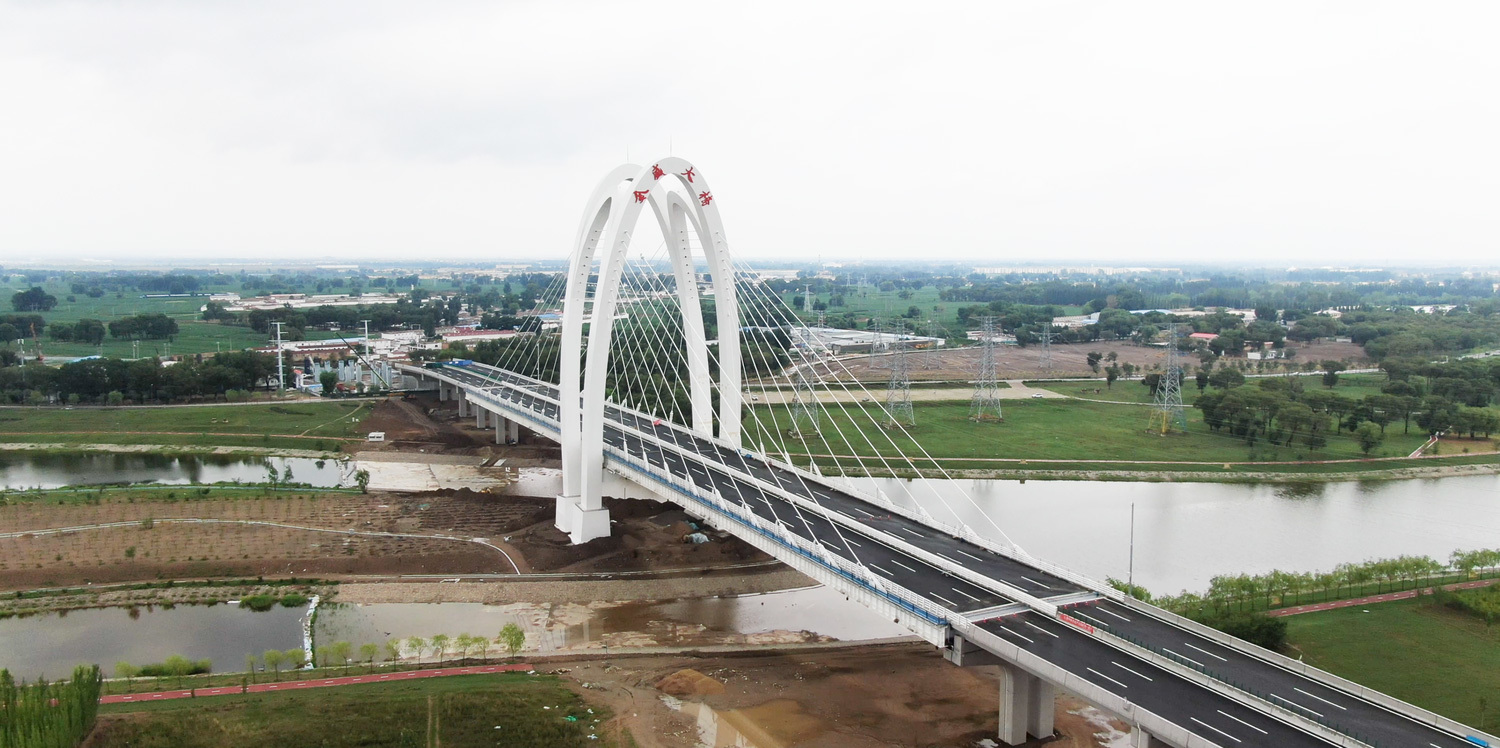
How Advanced Suspension Steel Bridges Are Revolutionizing Modern Architecture
Table of Contents
- 1. Introduction to Advanced Suspension Steel Bridges
- 2. Historical Context of Suspension Bridges
- 3. Technological Advancements in Bridge Engineering
- 4. Design Innovations Shaping Modern Architecture
- 5. Benefits of Advanced Suspension Steel Bridges
- 6. Notable Examples of Advanced Suspension Bridges
- 7. Environmental Sustainability and Advanced Materials
- 8. The Future of Bridge Engineering and Urban Infrastructure
- 9. Conclusion
- 10. FAQs
1. Introduction to Advanced Suspension Steel Bridges
Advanced suspension steel bridges represent a significant leap in engineering, blending innovation with aesthetic appeal. These structures not only serve as vital connections for transportation but also symbolize the evolution of architectural design. In this article, we will explore how these bridges are revolutionizing modern architecture, focusing on their design, construction, and the impact they have on urban landscapes.
2. Historical Context of Suspension Bridges
Suspension bridges have a rich history that dates back to the early 19th century. The design principles behind these bridges have evolved significantly, thanks to advancements in materials and engineering techniques. Initially, suspension bridges relied on wire cables and wooden structures. However, as technology advanced, so did the materials used, leading to the development of steel suspension bridges that can support heavier loads and span greater distances.
3. Technological Advancements in Bridge Engineering
The transformation of bridge engineering is driven by several technological advancements, including:
3.1 High-Strength Steel Alloys
The introduction of high-strength steel alloys has revolutionized the construction of suspension bridges. These materials offer superior strength-to-weight ratios, allowing for longer spans and thinner components without compromising safety.
3.2 Computer-Aided Design (CAD) Software
Modern CAD software enables engineers to design complex bridge geometries with precision. This technology facilitates the optimization of structures for both aesthetic appeal and functional performance.
3.3 Advanced Structural Analysis Tools
Using advanced structural analysis tools, engineers can simulate the behavior of suspension bridges under various load conditions. This capability ensures that designs meet safety standards while maximizing efficiency.
4. Design Innovations Shaping Modern Architecture
The design of advanced suspension steel bridges incorporates innovative techniques that enhance both functionality and visual impact.
4.1 Aesthetic Integration
Modern architects strive to integrate bridges seamlessly into their surroundings. This approach often results in unique designs that reflect local culture and environment, making bridges not just functional but also artistic landmarks.
4.2 Lightweight Structures
Innovative design methodologies prioritize lightweight structures, reducing the amount of material required. This not only lowers costs but also minimizes the environmental impact during construction.
5. Benefits of Advanced Suspension Steel Bridges
The advantages of advanced suspension steel bridges extend beyond their aesthetic appeal. Some key benefits include:
5.1 Enhanced Load Capacity
These bridges can support heavier loads, making them suitable for modern traffic demands, including vehicles, pedestrians, and cyclists.
5.2 Greater Span Lengths
Advancements in materials and engineering allow for longer spans without the need for intermediate supports, ideal for crossing wide bodies of water or deep valleys.
5.3 Cost-Effectiveness
While initial construction costs can be high, the long-term maintenance costs of suspension bridges are often lower due to their durable materials and designs.
6. Notable Examples of Advanced Suspension Bridges
Several advanced suspension bridges exemplify how engineering and architecture converge to create stunning structures.
6.1 The Golden Gate Bridge
An iconic representation of suspension bridge design, the Golden Gate Bridge combines aesthetic beauty with structural integrity. Its distinctive color and elegant lines have made it a symbol of San Francisco.
6.2 The Akashi Kaikyō Bridge
Holding the record for the longest central span of any suspension bridge, the Akashi Kaikyō Bridge in Japan showcases the engineering prowess and innovative design of modern suspension bridges.
6.3 The Humber Bridge
Located in the UK, the Humber Bridge was once the longest suspension bridge in the world. It serves as a testament to the capabilities of advanced engineering and design, providing not just a transport link but also a scenic view.
7. Environmental Sustainability and Advanced Materials
Sustainable construction practices are becoming increasingly important in modern architecture. Advanced suspension steel bridges are designed with environmental sustainability in mind.
7.1 Recyclable Materials
Steel is a highly recyclable material, which means that the environmental footprint of constructing these bridges can be significantly reduced. This recycling capability supports a circular economy.
7.2 Energy-Efficient Construction Processes
Innovative construction processes minimize energy consumption during the building phase, making these bridges a more sustainable choice compared to traditional structures.
8. The Future of Bridge Engineering and Urban Infrastructure
As urban populations continue to grow, the demand for robust infrastructure will increase. Advanced suspension steel bridges are poised to play a crucial role in addressing these needs.
8.1 Smart Bridge Technology
The incorporation of smart technology in bridge design allows for real-time monitoring of structural health, enabling timely maintenance and prolonging the lifespan of the bridge.
8.2 Adaptability and Resilience
Future designs will focus on adaptability to changing environmental conditions and resilience against natural disasters. Suspension bridges can be engineered to withstand extreme weather events, ensuring safety and functionality.
9. Conclusion
Advanced suspension steel bridges are not only marvels of engineering but also pivotal elements in the landscape of modern architecture. Their innovative design, sustainability, and ability to meet the demands of urban infrastructure make them essential for the future. As technology continues to advance, we can expect these structures to evolve further, influencing both the skyline and the functionality of cities around the world.
10. FAQs
What are suspension bridges made of?
Suspension bridges are primarily made of high-strength steel and other durable materials designed to withstand heavy loads and environmental factors.
How do suspension bridges work?
Suspension bridges work by using cables suspended between towers to hold up the bridge deck. The weight of the deck is transferred to the towers, which bear the load.
What are the advantages of using a suspension bridge over other types?
Suspension bridges can span longer distances and support heavier loads than many other bridge types, making them ideal for urban environments.
Are advanced suspension steel bridges more expensive to build?
While the initial construction costs can be higher due to the complexity of design and materials, the long-term maintenance costs are often lower, making them cost-effective in the long run.
How do advanced materials contribute to bridge sustainability?
Advanced materials, such as high-strength steel, are often recyclable and can be manufactured using energy-efficient processes, reducing the overall environmental impact of construction.

Contact Us
E-mail :
183597530@qq.com
WhatsApp:
+86-13810577811
Address:
No. 4 Fengzhi Road, Binhe New District, Baotou Rare Earth High tech Zone, Inner Mongolia Autonomous Region