



Exploring the Benefits of Light Steel Frame Building for Modern Architecture
May 21,2025
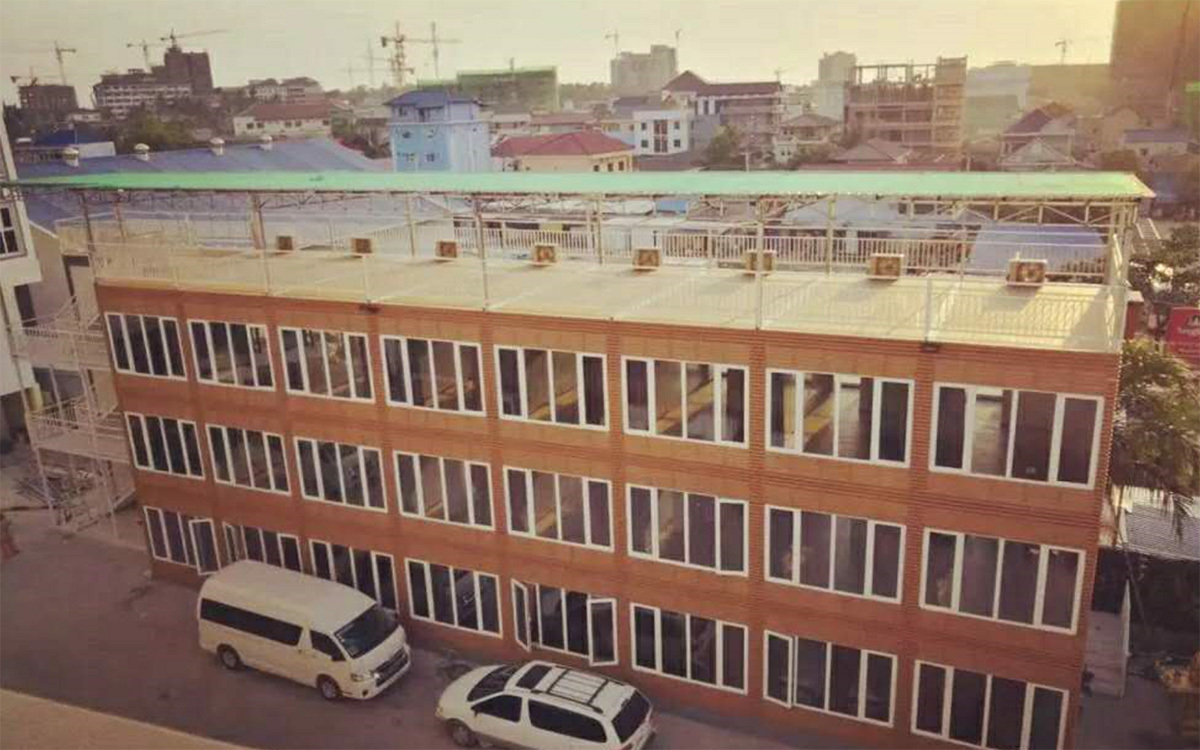
Exploring the Benefits of Light Steel Frame Building for Modern Architecture
Table of Contents
- Introduction to Light Steel Frame Construction
- What is Light Steel Frame Building?
- Benefits of Light Steel Frame Construction
- Design Flexibility and Aesthetic Appeal
- Energy Efficiency and Sustainability
- Cost-Effectiveness and Durability
- Construction Speed and Ease
- Case Studies and Applications
- The Future of Light Steel Frame Building
- Conclusion
- FAQs
Introduction to Light Steel Frame Construction
Light steel frame building is revolutionizing the way we approach modern architecture. As the demand for sustainable, efficient, and durable construction methods increases, light steel frames have emerged as a superior alternative to traditional building materials like wood and concrete. The unique properties of light steel not only offer structural advantages but also facilitate innovative architectural designs that meet the needs of contemporary society.
In this article, we will explore the numerous benefits of light steel frame construction and how it is shaping the future of architecture.
What is Light Steel Frame Building?
Light steel frame building involves the use of thin, high-strength steel sections to create a framework that supports the structure of a building. This type of construction is characterized by its lightweight nature, which significantly reduces the overall weight of the building. The materials used in light steel frame construction are typically galvanized to prevent corrosion, ensuring longevity and resilience.
The components of light steel frame buildings include steel columns, beams, and wall panels, which are prefabricated and assembled on-site. This system allows for quick installation and adaptability to various architectural designs.
Benefits of Light Steel Frame Construction
The benefits of light steel frame construction are numerous, making it an increasingly popular choice for architects and builders. Here, we highlight the key advantages:
1. Strength and Durability
Light steel frames are renowned for their strength and durability. Steel has a high tensile strength, allowing buildings to withstand extreme weather conditions, seismic activities, and other stresses. This structural integrity results in a longer lifespan for the building, minimizing maintenance and repair costs.
2. Environmental Sustainability
Light steel is one of the most sustainable construction materials available. It is recyclable, reducing waste and the demand for new raw materials. Furthermore, steel frames can accommodate insulation materials that enhance energy efficiency, contributing to lower energy consumption and reduced carbon footprints.
3. Design Versatility
The flexibility of light steel frames allows architects to explore innovative designs without compromising structural integrity. Curved walls, open spaces, and unique shapes can be easily achieved using steel framing, enabling creative architectural expressions.
4. Cost Efficiency
While the initial investment may be higher than traditional building materials, the long-term savings associated with light steel frame buildings are significant. Lower maintenance costs, energy savings, and reduced construction times all contribute to overall cost-effectiveness.
Design Flexibility and Aesthetic Appeal
Light steel frame construction provides extraordinary design flexibility. Architects can leverage the strength and lightweight nature of steel to create expansive open spaces without the need for intrusive support beams. Additionally, the aesthetic potential is immense; steel can be combined with various materials, such as glass, wood, and concrete, to create visually stunning results.
Modern Design Trends
Modern architecture often embraces minimalist styles, and light steel frames align perfectly with this trend. The sleek lines and clean profiles of steel structures appeal to contemporary tastes, allowing for innovative and striking designs that stand out in urban landscapes.
Customization Options
With light steel frames, customization is not only possible; it's encouraged. Builders can tailor dimensions, shapes, and finishes to meet specific project requirements. This level of customization enhances the architectural narrative while catering to the client's vision.
Energy Efficiency and Sustainability
In an era of heightened environmental awareness, sustainability is a critical factor in construction practices. Light steel frames significantly contribute to energy efficiency in buildings.
Insulation and Energy Performance
Integrating advanced insulation materials into light steel frames allows buildings to achieve excellent thermal performance. Improved insulation reduces heating and cooling demands, leading to lower energy bills and a more comfortable indoor environment.
Reduced Carbon Footprint
Choosing light steel frame construction can minimize the carbon footprint of a building. The recyclable nature of steel, combined with energy-efficient designs, supports a more sustainable approach to architecture. Additionally, reduced waste during construction and the longevity of steel structures further contribute to environmental benefits.
Cost-Effectiveness and Durability
Investing in light steel frame construction offers significant cost advantages over traditional building methods.
Long Lifespan and Low Maintenance
Light steel buildings are built to last. With proper treatment, steel frames are resistant to rust and corrosion, ensuring longevity without the need for excessive maintenance. This durability translates to lower repair costs over time, making it a smart investment.
Quick Construction and Lower Labor Costs
The prefabrication of light steel components allows for rapid assembly on-site, significantly reducing construction timelines. This efficiency not only cuts labor costs but also minimizes disruptions to surrounding areas.
Construction Speed and Ease
The speed of construction associated with light steel frame buildings is one of its most attractive features.
Reduced Construction Time
Prefabricated steel components can be manufactured off-site while foundation work is underway, allowing for concurrent progress on different aspects of the project. This simultaneous workflow shortens the overall construction schedule.
Ease of Assembly
The lightweight nature of steel makes it easier to handle and assemble, further streamlining the construction process. Fewer workers can efficiently complete the work, which translates to savings on labor costs.
Case Studies and Applications
Numerous projects around the world have successfully utilized light steel frame construction techniques.
Residential Buildings
Light steel framing has been widely adopted in the residential sector, allowing for the creation of modern, energy-efficient homes that meet the needs of today’s homeowners. Projects often showcase intricate designs that blend beauty and functionality.
Commercial Spaces
Commercial buildings, including offices and retail spaces, benefit from the adaptability and speed of light steel frames. The ability to create large open areas helps businesses design spaces that encourage collaboration and productivity.
The Future of Light Steel Frame Building
As technology advances and architects seek innovative solutions to modern challenges, the future of light steel frame building looks promising. The integration of smart technologies, sustainable practices, and advanced materials will enhance the capabilities of light steel construction, paving the way for even more innovative design possibilities.
Conclusion
Light steel frame building represents a significant shift in modern architecture, offering unparalleled benefits in terms of strength, sustainability, design flexibility, and cost-effectiveness. Its ability to adapt to various architectural styles while maintaining superior structural integrity makes it an ideal choice for contemporary construction projects. As we move forward, embracing light steel frames will not only enhance the aesthetic value of our buildings but also support a sustainable future in architecture.
FAQs
1. What are the main advantages of light steel frame construction?
The primary advantages include strength and durability, design flexibility, environmental sustainability, cost-effectiveness, and construction speed.
2. Is light steel frame construction more expensive than traditional methods?
While initial costs may be higher, the long-term savings on maintenance and energy efficiency can make light steel frame construction more cost-effective overall.
3. How does light steel compare to wood in terms of sustainability?
Light steel is recyclable and has a longer lifespan than wood, which can contribute to a lower carbon footprint in construction.
4. Can light steel frames be used for residential buildings?
Yes, light steel frames are increasingly popular in residential construction, allowing for modern designs and energy-efficient homes.
5. What maintenance is required for light steel frame buildings?
Light steel frames require minimal maintenance, primarily ensuring that protective coatings are intact to prevent corrosion. Regular inspections can help maintain their longevity.

Contact Us
E-mail :
183597530@qq.com
WhatsApp:
+86-13810577811
Address:
No. 4 Fengzhi Road, Binhe New District, Baotou Rare Earth High tech Zone, Inner Mongolia Autonomous Region