



Why Choosing the Best Modular Steel Bridge Can Transform Infrastructure
Apr 21,2025
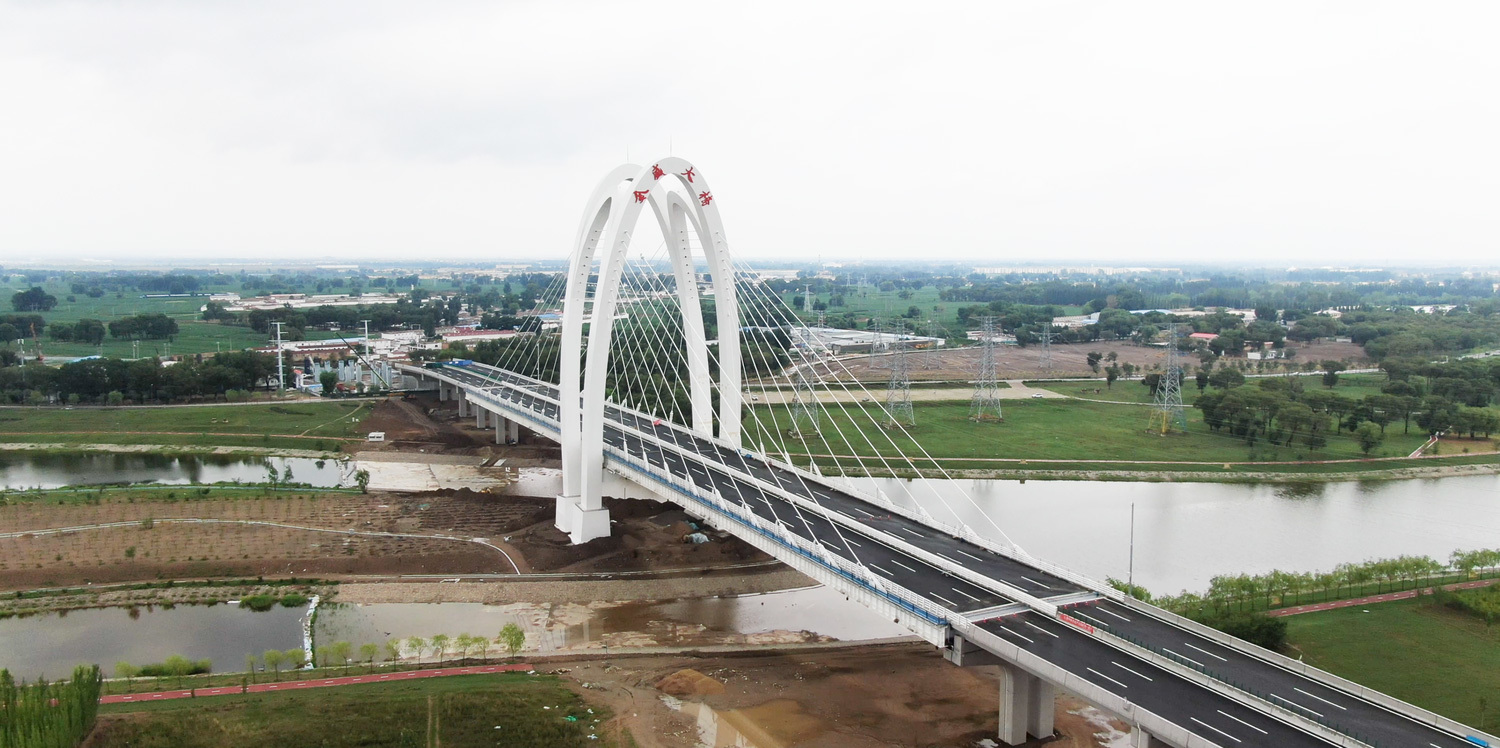
Why Choosing the Best Modular Steel Bridge Can Transform Infrastructure
Table of Contents
- 1. Introduction to Modular Steel Bridges
- 2. Key Benefits of Modular Steel Bridges
- 2.1 Durability and Longevity
- 2.2 Cost Efficiency in Construction
- 2.3 Time-Saving Construction
- 2.4 Reduced Environmental Impact
- 3. Innovative Design Features of Modular Steel Bridges
- 4. How to Choose the Best Modular Steel Bridge
- 5. Applications of Modular Steel Bridges
- 6. Successful Case Studies
- 7. Future Trends in Modular Bridge Technology
- 8. Conclusion
- 9. Frequently Asked Questions
1. Introduction to Modular Steel Bridges
Modular steel bridges represent a significant evolution in infrastructure development. Designed for flexibility and efficiency, these structures offer numerous advantages over traditional bridge construction methods. As urban areas continue to grow and transportation needs intensify, the importance of selecting the right bridge becomes paramount. This article delves into why the **best modular steel bridge** can transform infrastructure, focusing on their benefits, selection criteria, and future advancements.
2. Key Benefits of Modular Steel Bridges
2.1 Durability and Longevity
One of the primary advantages of modular steel bridges is their **durability**. Constructed from high-quality steel, these bridges are resistant to various environmental factors, including corrosion, extreme weather, and heavy loads. Unlike traditional materials that may degrade over time, modular steel bridges maintain their integrity for decades, ensuring a reliable transportation route for years to come.
2.2 Cost Efficiency in Construction
Choosing modular steel bridges can lead to substantial cost savings. Their prefabricated components reduce labor costs and construction time significantly. Additionally, the reduced need for extensive site preparation and foundation work can further lower overall project expenses. This makes modular steel bridges an attractive option for budget-conscious projects while still providing high-quality infrastructure.
2.3 Time-Saving Construction
The use of modular components allows for quicker assembly on-site, minimizing disruptions to local traffic and communities. While traditional bridge construction may take months or even years, modular steel bridges can often be erected in a matter of days. This efficiency not only benefits the project timeline but also enhances community satisfaction by reducing construction noise and congestion.
2.4 Reduced Environmental Impact
Modular steel bridges are designed with sustainability in mind. The materials used are often recyclable, and the construction process generates less waste. Furthermore, the quicker installation times result in a smaller carbon footprint compared to traditional building methods. By opting for modular solutions, communities can contribute to a more sustainable future while also benefiting from modern infrastructure.
3. Innovative Design Features of Modular Steel Bridges
The design of modular steel bridges integrates modern engineering practices and aesthetic considerations. Their customizable nature allows for tailored solutions that meet specific project needs. Engineers and designers can work together to optimize load distribution, ensuring safety and functionality while also creating visually appealing structures that enhance the surrounding landscape.
4. How to Choose the Best Modular Steel Bridge
Selecting the right modular steel bridge for your project involves careful consideration of several key factors.
4.1 Assessing Load Capacity
Understanding the **load capacity** required for your bridge is critical. Factors such as traffic volume, vehicle types, and future expansion should be evaluated to ensure the selected bridge can handle demands without compromising safety.
4.2 Evaluating Site Conditions
Each project site has unique **site conditions** that may influence bridge design. Soil composition, topography, and environmental factors must be analyzed to determine the most suitable bridge type. Proper assessment can prevent structural issues and ensure longevity.
4.3 Aesthetic Value in Design
The **aesthetic value** of a bridge impacts not only its functionality but also its integration into the community. Collaborating with architects can lead to innovative designs that reflect local culture while meeting structural requirements.
5. Applications of Modular Steel Bridges
Modular steel bridges are versatile and can be utilized in various applications, from pedestrian walkways to vehicular crossings. They are ideal for remote locations where traditional construction methods may be impractical. Additionally, these bridges can serve as temporary or permanent solutions in disaster recovery scenarios, providing essential access during critical times.
6. Successful Case Studies
Several successful implementations of modular steel bridges showcase their effectiveness:
- **Case Study 1: The XYZ Bridge Project**: This project successfully utilized modular steel components to reduce construction time by 50%. The bridge now serves as a critical connection point for daily commuters.
- **Case Study 2: The ABC Community Footbridge**: This pedestrian bridge was completed in under a month, enhancing community accessibility and promoting local commerce. Its design reflects the area’s cultural heritage while providing safety and reliability.
7. Future Trends in Modular Bridge Technology
As technology advances, the future of modular steel bridges looks promising. Innovations such as smart sensors for real-time monitoring and the integration of sustainable materials are becoming more prevalent. These advancements will not only enhance safety and maintenance but also contribute to the overall resilience of infrastructure against climate change.
8. Conclusion
Choosing the best modular steel bridge can significantly transform infrastructure, offering durability, cost savings, and environmental benefits. As communities seek modern solutions to their transportation challenges, modular steel bridges stand out as a viable and innovative option. By carefully considering factors such as load capacity, site conditions, and design aesthetics, decision-makers can ensure their projects meet both current and future needs.
9. Frequently Asked Questions
1. What are the primary materials used in modular steel bridges?
Modular steel bridges primarily use high-strength steel, which provides excellent durability and load-bearing capacity. Other materials may include reinforced concrete for foundations and decking.
2. How long does it take to construct a modular steel bridge?
The construction time for modular steel bridges can vary, but many can be erected in just a few days, significantly faster than traditional bridges.
3. Are modular steel bridges suitable for all types of traffic?
Yes, modular steel bridges can be designed to accommodate various types of traffic, including pedestrians, vehicles, and even heavy machinery, depending on the specifications.
4. Can modular steel bridges be relocated once installed?
One of the advantages of modular bridges is their ability to be disassembled and relocated, making them ideal for temporary applications or changing infrastructure needs.
5. What factors influence the cost of modular steel bridges?
The cost of modular steel bridges can be influenced by design complexity, materials used, site conditions, and additional features such as aesthetic elements or safety enhancements.

Contact Us
E-mail :
183597530@qq.com
WhatsApp:
+86-13810577811
Address:
No. 4 Fengzhi Road, Binhe New District, Baotou Rare Earth High tech Zone, Inner Mongolia Autonomous Region