



Exploring the Benefits of Durable Steel Pedestrian Bridges
Apr 20,2025
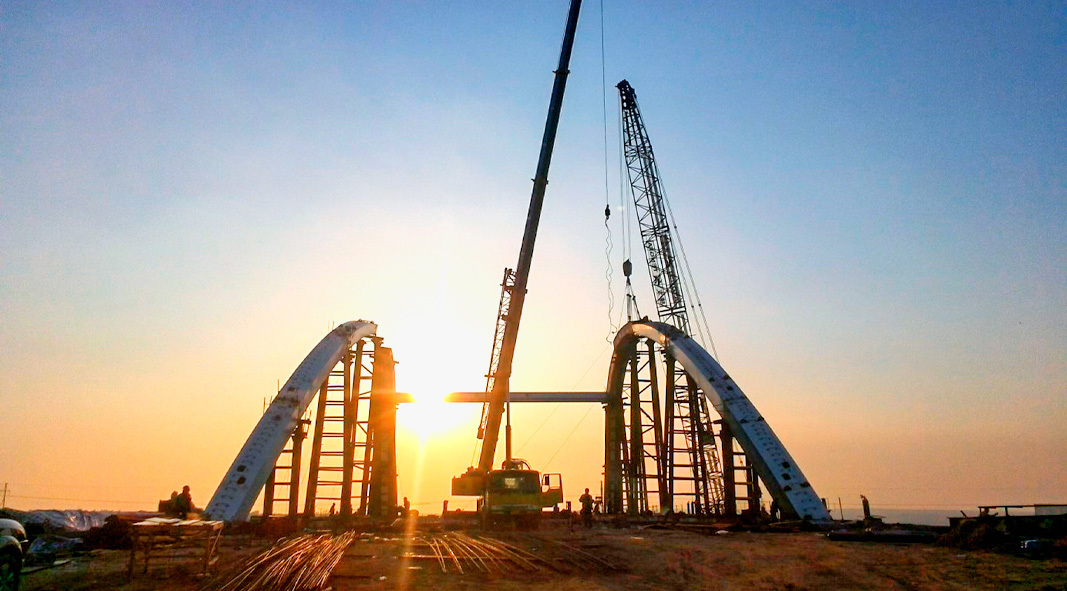
When it comes to urban infrastructure, durable steel pedestrian bridges represent a crucial element in creating safe and efficient pathways for pedestrians. These structures are specifically designed to withstand the test of time and endure various environmental conditions, making them an ideal choice for municipalities and developers alike.
One of the primary benefits of choosing durable steel for pedestrian bridges is its exceptional strength-to-weight ratio. Steel is known for its impressive load-bearing capabilities, which allows for longer spans without the need for excessive support structures. This not only simplifies the design and construction process but also minimizes the bridge's footprint, preserving valuable land and reducing environmental impact.
Additionally, durability is a key advantage of steel pedestrian bridges. Unlike other materials, such as wood or concrete, steel offers superior resistance to weathering, corrosion, and pests. With proper maintenance and protective coatings, these bridges can have a lifespan exceeding several decades, significantly lowering lifecycle costs for municipalities. This longevity also means less frequent need for repairs or replacements, contributing to sustainable urban development.
Aesthetically, durable steel pedestrian bridges can be designed to complement a city's architectural style or natural landscape. They can be sculptural and modern, blending seamlessly with contemporary settings, or they can feature traditional designs that honor historical contexts. The versatility of steel allows for a range of design options to meet varying aesthetic preferences, ensuring that these structures are not only functional but also visually appealing.
In terms of safety, durable steel pedestrian bridges provide a secure crossing point for pedestrians, reducing conflicts with vehicular traffic. Elevated bridges, in particular, can help to separate pedestrians from roadways, significantly enhancing safety for all users. Furthermore, visibility and accessibility can be incorporated into the design, ensuring that these bridges are inclusive for individuals with disabilities.
Lastly, the construction of durable steel pedestrian bridges contributes to the local economy. Such projects often create jobs and stimulate related industries, from manufacturing to construction and maintenance. They also encourage foot traffic in surrounding areas, supporting local businesses and fostering a sense of community.
In conclusion, durable steel pedestrian bridges are a vital component of modern infrastructure, offering numerous benefits including strength, longevity, aesthetic versatility, safety, and economic impact. As urban areas continue to evolve, investing in these structures is essential for creating safe, accessible, and visually appealing pathways for pedestrians.
One of the primary benefits of choosing durable steel for pedestrian bridges is its exceptional strength-to-weight ratio. Steel is known for its impressive load-bearing capabilities, which allows for longer spans without the need for excessive support structures. This not only simplifies the design and construction process but also minimizes the bridge's footprint, preserving valuable land and reducing environmental impact.
Additionally, durability is a key advantage of steel pedestrian bridges. Unlike other materials, such as wood or concrete, steel offers superior resistance to weathering, corrosion, and pests. With proper maintenance and protective coatings, these bridges can have a lifespan exceeding several decades, significantly lowering lifecycle costs for municipalities. This longevity also means less frequent need for repairs or replacements, contributing to sustainable urban development.
Aesthetically, durable steel pedestrian bridges can be designed to complement a city's architectural style or natural landscape. They can be sculptural and modern, blending seamlessly with contemporary settings, or they can feature traditional designs that honor historical contexts. The versatility of steel allows for a range of design options to meet varying aesthetic preferences, ensuring that these structures are not only functional but also visually appealing.
In terms of safety, durable steel pedestrian bridges provide a secure crossing point for pedestrians, reducing conflicts with vehicular traffic. Elevated bridges, in particular, can help to separate pedestrians from roadways, significantly enhancing safety for all users. Furthermore, visibility and accessibility can be incorporated into the design, ensuring that these bridges are inclusive for individuals with disabilities.
Lastly, the construction of durable steel pedestrian bridges contributes to the local economy. Such projects often create jobs and stimulate related industries, from manufacturing to construction and maintenance. They also encourage foot traffic in surrounding areas, supporting local businesses and fostering a sense of community.
In conclusion, durable steel pedestrian bridges are a vital component of modern infrastructure, offering numerous benefits including strength, longevity, aesthetic versatility, safety, and economic impact. As urban areas continue to evolve, investing in these structures is essential for creating safe, accessible, and visually appealing pathways for pedestrians.

Contact Us
E-mail :
183597530@qq.com
WhatsApp:
+86-13810577811
Address:
No. 4 Fengzhi Road, Binhe New District, Baotou Rare Earth High tech Zone, Inner Mongolia Autonomous Region