



Exploring the Benefits of Advanced Suspension Steel Bridges: A Comprehensive Guide
Apr 19,2025
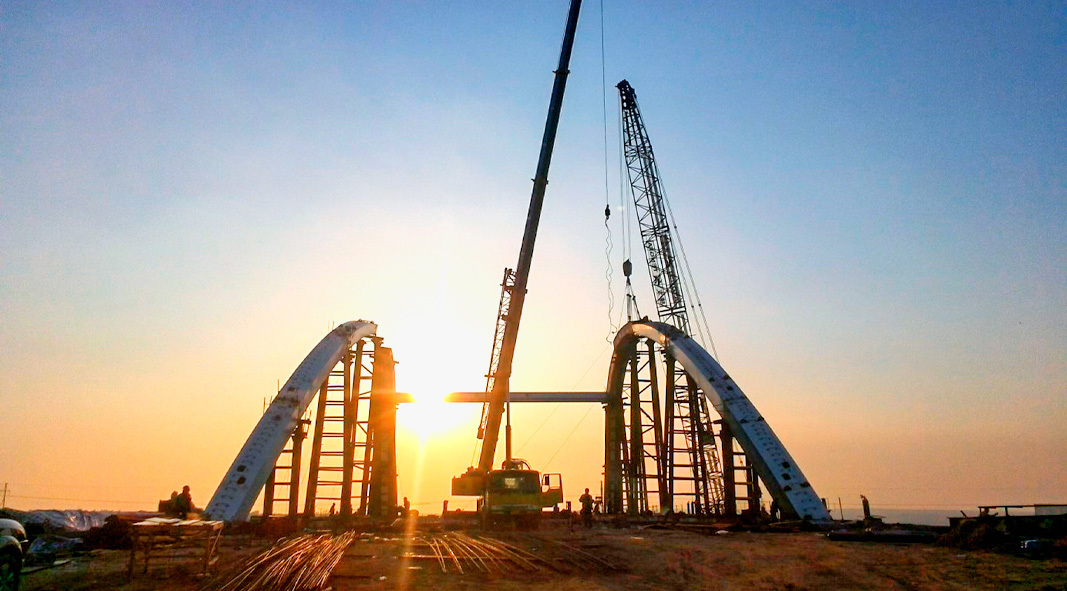
Exploring the Benefits of Advanced Suspension Steel Bridges
Table of Contents
- What Are Advanced Suspension Steel Bridges?
- Advantages of Advanced Suspension Steel Bridges
- The Technology Behind Suspension Bridges
- Maintenance of Suspension Bridges
- Environmental Impact of Suspension Bridges
- The Future of Suspension Bridges
- Conclusion
- FAQs
What Are Advanced Suspension Steel Bridges?
Advanced suspension steel bridges are sophisticated structures designed to span long distances while supporting heavy loads. Characterized by cables that suspend the bridge deck, these bridges utilize high-strength steel and innovative design techniques to achieve a balance between aesthetic appeal and functional performance. Their ability to withstand dynamic loads, such as traffic and environmental forces, makes them a preferred choice for modern infrastructure projects.
Advantages of Advanced Suspension Steel Bridges
Structural Integrity and Durability
One of the most significant advantages of suspension bridges is their structural integrity. The design allows for the even distribution of weight across the structure, which enhances its durability. The use of advanced materials such as high-strength steel contributes to a longer lifespan, with some suspension bridges lasting over 100 years with proper maintenance. This longevity reduces the need for frequent repairs and replacements, making them a sustainable investment for municipalities and governments.
Aesthetic Appeal
Suspension bridges are often celebrated for their striking beauty. The graceful arcs of the cables and elegant profiles create visually stunning landmarks that enhance their surroundings. Many cities have embraced the aesthetic potential of these structures, using them not only as functional transportation routes but also as attractions that boost tourism and local economies. From the Golden Gate Bridge to the Akashi Kaikyō Bridge, these structures become iconic representations of engineering prowess and artistic design.
Cost-Effectiveness in Construction
While the initial investment in advanced suspension steel bridges may be higher than traditional designs, the long-term cost-effectiveness is undeniable. The ability to span greater distances without the need for numerous support structures reduces material costs and simplifies construction processes. Additionally, the reduced maintenance and repair costs associated with these durable structures further contribute to their financial viability.
The Technology Behind Suspension Bridges
Materials Used in Construction
The choice of materials plays a crucial role in the performance of suspension bridges. High-strength steel is the primary material used in the cables and deck, providing the necessary tensile strength to support heavy loads while minimizing weight. Other materials, such as reinforced concrete, are also employed in the construction of pylons and deck systems to enhance overall stability and performance.
Innovative Engineering Techniques
Engineering advancements have revolutionized the design and construction of suspension bridges. Techniques such as computer-aided design (CAD) and finite element analysis (FEA) allow engineers to simulate and analyze the performance of bridge designs under various load conditions. These tools enable the optimization of materials and structural components, resulting in safer, more efficient designs.
Maintenance of Suspension Bridges
Maintenance is critical to ensuring the longevity and safety of suspension bridges. Regular inspection and monitoring systems, such as structural health monitoring (SHM), allow for the early detection of potential issues. These systems use sensors to track the condition of critical components, providing valuable data that informs maintenance schedules and repairs. By adopting a proactive approach to maintenance, bridge operators can minimize the risk of structural failure and extend the life of their investments.
Environmental Impact of Suspension Bridges
As sustainability becomes a priority in modern engineering, the environmental impact of construction projects is under scrutiny. Advanced suspension steel bridges can be designed to minimize their ecological footprint. For instance, using locally sourced materials reduces transportation emissions, while innovative construction techniques can limit disruption to surrounding ecosystems. Furthermore, these bridges often incorporate features such as pedestrian walkways and bike lanes, promoting sustainable transportation options that can alleviate traffic congestion and reduce pollution.
The Future of Suspension Bridges
The future of suspension bridges looks promising with continuous advancements in technology and materials. Emerging innovations, such as smart bridge technology, are set to transform how these structures are monitored and maintained. By integrating IoT (Internet of Things) sensors and data analytics, engineers can create more resilient bridges that adapt to environmental changes and user needs. Additionally, sustainable practices in construction and design will likely lead to even more eco-friendly solutions as the demand for efficient infrastructure grows.
Conclusion
Advanced suspension steel bridges represent a remarkable fusion of engineering excellence, aesthetic appeal, and sustainability. Their structural integrity, durability, and cost-effectiveness make them a superior choice for modern infrastructure projects. As we continue to explore new technologies and materials, the potential of these bridges will only expand, paving the way for innovative solutions that meet the demands of our growing urban environments. The benefits of advanced suspension steel bridges are clear, and their impact on transportation and architecture will shape the future for generations to come.
FAQs
1. What types of materials are used in advanced suspension steel bridges?
Advanced suspension steel bridges primarily use high-strength steel for cables and decks, alongside reinforced concrete for pylons and decks to enhance stability.
2. How long do advanced suspension bridges last?
With proper maintenance, advanced suspension bridges can last over 100 years, significantly reducing the need for frequent repairs or replacements.
3. What is the main advantage of suspension bridges over traditional bridge designs?
The main advantage is their ability to span longer distances with fewer supports, which reduces material costs and simplifies construction.
4. How does smart technology enhance the maintenance of suspension bridges?
Smart technology uses IoT sensors to monitor the condition of bridges in real-time, allowing for proactive maintenance and reducing the risk of structural failure.
5. What role do suspension bridges play in promoting sustainability?
Suspension bridges can incorporate environmentally friendly practices, such as using local materials, minimizing ecological disruption, and promoting pedestrian and cyclist access, thus encouraging sustainable transportation options.

Contact Us
E-mail :
183597530@qq.com
WhatsApp:
+86-13810577811
Address:
No. 4 Fengzhi Road, Binhe New District, Baotou Rare Earth High tech Zone, Inner Mongolia Autonomous Region