



Discover Why Prefabricated Light Steel Frame Houses Are the Future of Construction
Apr 15,2025
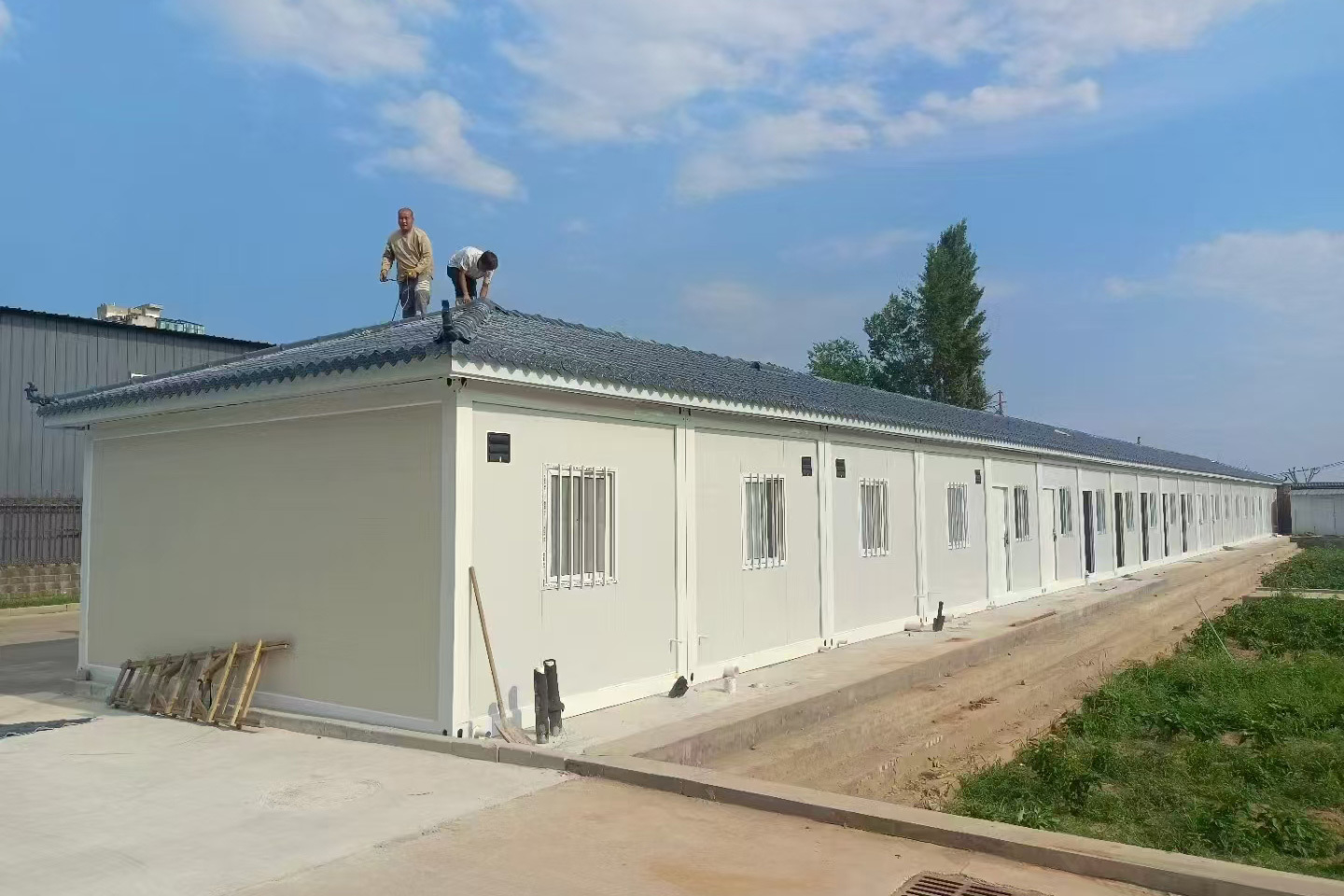
Discover Why Prefabricated Light Steel Frame Houses Are the Future of Construction
Table of Contents
- 1. Introduction to Prefabricated Light Steel Frame Houses
- 2. What Are Prefabricated Light Steel Frame Houses?
- 3. Advantages of Prefabricated Light Steel Frame Houses
- 3.1 Cost-Effectiveness
- 3.2 Time Efficiency
- 3.3 Sustainability
- 3.4 Design Flexibility
- 3.5 Quality Control
- 4. The Construction Process of Prefabricated Light Steel Frame Houses
- 5. Applications and Uses of Prefabricated Light Steel Frame Houses
- 6. Case Studies: Success Stories of Prefabricated Light Steel Frame Houses
- 7. The Future of Prefabricated Light Steel Frame Houses
- 8. Frequently Asked Questions (FAQs)
- 9. Conclusion
1. Introduction to Prefabricated Light Steel Frame Houses
In the ever-evolving world of construction, **prefabricated light steel frame houses** are gaining significant attention. These innovative structures are not just a trend; they represent a profound shift in how we think about building homes. With a combination of efficiency, sustainability, and modern design, prefabricated light steel frame houses are emerging as a viable solution to many contemporary construction challenges.
2. What Are Prefabricated Light Steel Frame Houses?
Prefabricated light steel frame houses are structures primarily constructed from light steel frames, which are manufactured off-site and transported to the construction location for assembly. Unlike traditional building methods, which often involve extensive on-site work, prefabricated homes are designed for quicker assembly, reducing labor costs and construction timelines.
Understanding Light Steel Frames
Light steel framing consists of thin-walled steel members that provide structural support. This method allows for **greater design flexibility** while maintaining the required strength and stability of the building. The use of steel also means that these frames are resistant to pests, rot, and warping, which are common issues associated with wood framing.
3. Advantages of Prefabricated Light Steel Frame Houses
As the demand for efficient and sustainable building solutions grows, prefabricated light steel frame houses stand out for several compelling reasons.
3.1 Cost-Effectiveness
One of the most significant advantages of prefabricated light steel frame houses is their cost-effectiveness. The off-site manufacturing process reduces labor costs and minimizes waste. Additionally, the streamlined construction timeline allows builders to complete projects faster, which in turn can lead to reduced financing costs.
3.2 Time Efficiency
Time efficiency is another key benefit. Traditional construction projects can take months or even years to complete, whereas prefabricated homes can often be ready for occupancy within weeks. The modular approach means that multiple components can be built simultaneously while site preparation occurs, dramatically reducing the overall project timeline.
3.3 Sustainability
In a world increasingly focused on sustainability, prefabricated light steel frame houses are an eco-friendly alternative. The use of steel, which is 100% recyclable, ensures that materials can be repurposed at the end of their lifecycle. Additionally, the reduced waste generated during manufacturing and construction contributes to a smaller environmental footprint.
3.4 Design Flexibility
Design flexibility is another appealing aspect of prefabricated light steel frame houses. With advanced engineering techniques, architects can create a wide variety of design options that cater to different aesthetics and functional needs. Homeowners can personalize their space without compromising structural integrity.
3.5 Quality Control
Quality control is enhanced in the prefabrication process. Because components are manufactured in a controlled factory environment, they undergo rigorous quality checks before reaching the construction site. This leads to improved build quality and reduced likelihood of defects or issues arising post-construction.
4. The Construction Process of Prefabricated Light Steel Frame Houses
The construction process of prefabricated light steel frame houses involves several key steps, each designed to maximize efficiency and quality.
Planning and Design
The journey begins with careful planning and design. Homeowners collaborate with architects and builders to create a design that meets their specific needs. This phase includes choosing materials, layouts, and finishes.
Manufacturing
Once the design is finalized, the manufacturing process begins. Components are fabricated in a factory setting, ensuring precision and adherence to building codes. This stage can take anywhere from a few weeks to several months, depending on the complexity of the project.
Transportation and Assembly
After manufacturing, the prefabricated components are transported to the construction site. Assembly is relatively quick and straightforward, with specialized teams responsible for putting the pieces together. This can often be completed in a matter of days.
Final Touches
Once the structure is assembled, the final touches, such as insulation, plumbing, and electrical work, are completed. This phase is typically faster than in traditional construction due to the advanced pre-planning involved.
5. Applications and Uses of Prefabricated Light Steel Frame Houses
Prefabricated light steel frame houses find applications in various sectors, from residential to commercial construction.
Residential Homes
Many families are opting for prefabricated light steel frame houses as their primary residences due to their affordability and speed of construction. Custom home designs are becoming increasingly popular among young families and first-time homeowners.
Commercial Buildings
These structures are not limited to residential use. They are also employed in commercial settings, such as offices, retail spaces, and community centers. The flexibility of design allows businesses to create functional and aesthetically pleasing environments.
Temporary Structures
In addition to permanent buildings, prefabricated light steel frame houses can serve as temporary structures, such as mobile offices or emergency shelters. Their easy assembly and disassembly make them ideal for temporary needs.
6. Case Studies: Success Stories of Prefabricated Light Steel Frame Houses
Examining successful implementations of prefabricated light steel frame houses provides insights into their benefits and versatility.
Case Study 1: Eco-Friendly Housing Development
A recent eco-friendly housing development in a suburban area utilized prefabricated light steel frame houses to provide affordable housing solutions. This project reduced construction time by 30% and minimized waste, earning accolades for its sustainability efforts.
Case Study 2: Modular Office Spaces
A tech startup opted for prefabricated light steel frame offices to accommodate their growing team. The quick assembly allowed them to move into their new space in record time, providing a modern work environment that fostered creativity and collaboration.
7. The Future of Prefabricated Light Steel Frame Houses
The future of prefabricated light steel frame houses looks incredibly promising. As technology advances, we can expect even more sophisticated designs, improved materials, and enhanced energy efficiency. The growing emphasis on sustainability in construction will likely drive further adoption of these innovative building solutions.
8. Frequently Asked Questions (FAQs)
1. What are the main benefits of prefabricated light steel frame houses?
Prefabricated light steel frame houses offer cost-effectiveness, time efficiency, sustainability, design flexibility, and enhanced quality control.
2. How long does it take to build a prefabricated light steel frame house?
The construction of a prefabricated light steel frame house can often be completed in a matter of weeks, depending on the complexity of the design.
3. Are prefabricated light steel frame houses energy-efficient?
Yes, these homes can be designed to be highly energy-efficient, incorporating modern insulation materials and energy-efficient systems.
4. Can prefabricated light steel frame houses be customized?
Absolutely! One of the advantages of these structures is their design flexibility, allowing for various customizations to fit individual needs.
5. Are there any downsides to prefabricated light steel frame houses?
While they offer many benefits, some potential downsides may include zoning regulations, the need for skilled labor for assembly, and potential transportation costs for remote areas.
9. Conclusion
In conclusion, **prefabricated light steel frame houses** represent a transformative approach to modern construction. With their cost-effectiveness, time efficiency, sustainability, and design flexibility, these structures are not only addressing current housing demands but also paving the way for a more efficient and environmentally friendly future in the construction industry. As technology continues to evolve, the appeal of prefabricated light steel frame houses will only grow, solidifying their place as a leading solution in the building sector.

Contact Us
E-mail :
183597530@qq.com
WhatsApp:
+86-13810577811
Address:
No. 4 Fengzhi Road, Binhe New District, Baotou Rare Earth High tech Zone, Inner Mongolia Autonomous Region