



Understanding Steel Pedestrian Bridges: Benefits and Key Considerations
Apr 14,2025
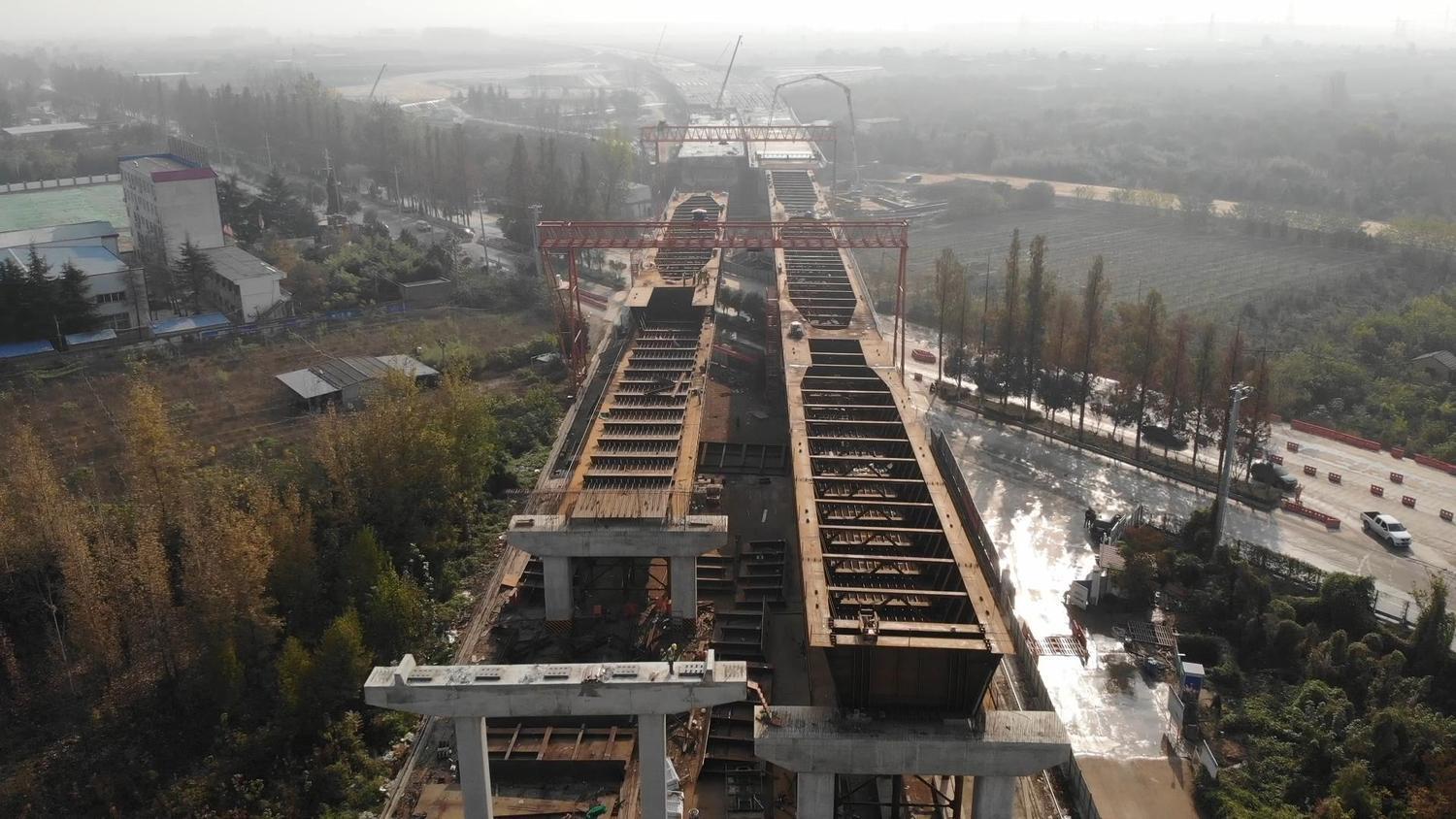
Steel pedestrian bridges are increasingly popular in the construction industry, providing a robust and aesthetically pleasing solution for connecting pathways, parks, and urban spaces. These bridges are specifically designed to accommodate foot traffic, ensuring safety and ease of use for pedestrians. This article explores the benefits, key design considerations, and applications of steel pedestrian bridges, making it an invaluable resource for professionals in the construction and architectural materials sector.
One of the primary advantages of steel pedestrian bridges is their strength and durability. Steel, as a material, offers greater resistance to environmental elements compared to traditional materials such as wood or concrete. This resistance ensures a longer lifespan and reduced maintenance needs, making steel bridges a cost-effective option in the long run. Additionally, advancements in steel manufacturing mean that these structures can be designed to withstand significant loads and extreme weather conditions, making them suitable for various locations, from busy urban centers to scenic parks.
Another significant benefit of steel pedestrian bridges is their design flexibility. Architects and engineers can utilize steel's inherent properties to create innovative and visually appealing designs. Curved or uniquely shaped bridges can enhance the aesthetic value of a project while providing functional connectivity. Furthermore, steel can be combined with other materials, such as glass or wood, to achieve a specific architectural vision, making these bridges a versatile choice for modern construction projects.
However, designing a steel pedestrian bridge involves several critical considerations. Firstly, engineers must assess the environmental impact of the bridge, including factors such as location, soil conditions, and potential disruptions to local ecosystems. Additionally, they need to ensure that the design complies with local building codes and safety standards to provide a secure experience for pedestrians. Factors like the bridge's width, height clearance, and load capacity also play a crucial role in the design process.
Moreover, the construction of steel pedestrian bridges often requires collaboration among various stakeholders, including engineers, architects, and local authorities. Effective communication and planning are essential to navigate the complexities of construction while adhering to timelines and budgets. This collaboration can lead to the successful completion of a project that meets both functional and aesthetic requirements.
In conclusion, steel pedestrian bridges offer numerous advantages, including durability, design flexibility, and long-term cost-effectiveness. However, the design and construction of such structures involve careful planning and consideration of various factors. For professionals in the construction and architectural materials industry, understanding the nuances of steel pedestrian bridges can facilitate informed decision-making and contribute to the successful execution of projects.
One of the primary advantages of steel pedestrian bridges is their strength and durability. Steel, as a material, offers greater resistance to environmental elements compared to traditional materials such as wood or concrete. This resistance ensures a longer lifespan and reduced maintenance needs, making steel bridges a cost-effective option in the long run. Additionally, advancements in steel manufacturing mean that these structures can be designed to withstand significant loads and extreme weather conditions, making them suitable for various locations, from busy urban centers to scenic parks.
Another significant benefit of steel pedestrian bridges is their design flexibility. Architects and engineers can utilize steel's inherent properties to create innovative and visually appealing designs. Curved or uniquely shaped bridges can enhance the aesthetic value of a project while providing functional connectivity. Furthermore, steel can be combined with other materials, such as glass or wood, to achieve a specific architectural vision, making these bridges a versatile choice for modern construction projects.
However, designing a steel pedestrian bridge involves several critical considerations. Firstly, engineers must assess the environmental impact of the bridge, including factors such as location, soil conditions, and potential disruptions to local ecosystems. Additionally, they need to ensure that the design complies with local building codes and safety standards to provide a secure experience for pedestrians. Factors like the bridge's width, height clearance, and load capacity also play a crucial role in the design process.
Moreover, the construction of steel pedestrian bridges often requires collaboration among various stakeholders, including engineers, architects, and local authorities. Effective communication and planning are essential to navigate the complexities of construction while adhering to timelines and budgets. This collaboration can lead to the successful completion of a project that meets both functional and aesthetic requirements.
In conclusion, steel pedestrian bridges offer numerous advantages, including durability, design flexibility, and long-term cost-effectiveness. However, the design and construction of such structures involve careful planning and consideration of various factors. For professionals in the construction and architectural materials industry, understanding the nuances of steel pedestrian bridges can facilitate informed decision-making and contribute to the successful execution of projects.

Contact Us
E-mail :
183597530@qq.com
WhatsApp:
+86-13810577811
Address:
No. 4 Fengzhi Road, Binhe New District, Baotou Rare Earth High tech Zone, Inner Mongolia Autonomous Region