



Exploring the Benefits of Suspension Steel Bridges for Modern Infrastructure
Apr 13,2025
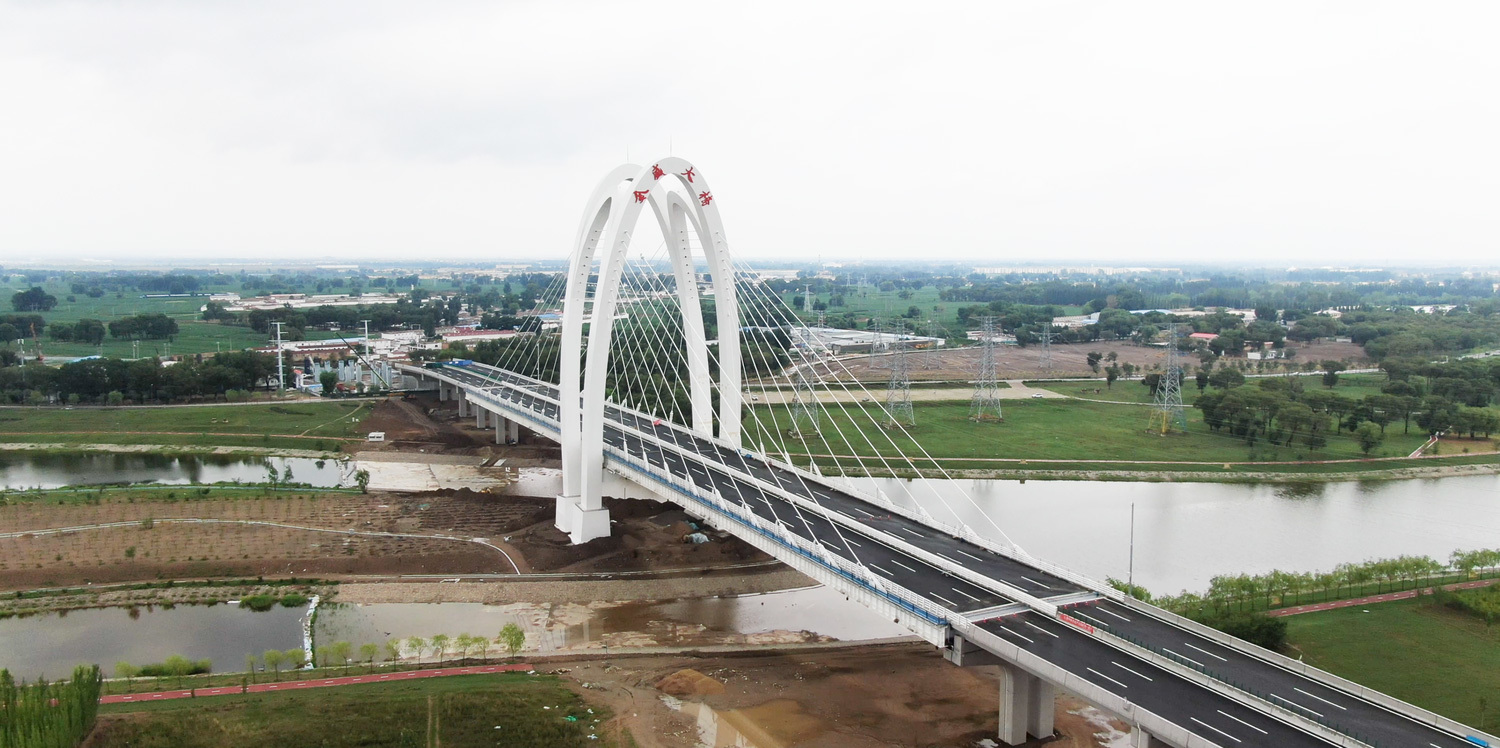
Exploring the Benefits of Suspension Steel Bridges for Modern Infrastructure
Table of Contents
- 1. Introduction to Suspension Steel Bridges
- 2. What Are Suspension Bridges?
- 3. Key Components of Suspension Bridges
- 4. Advantages of Suspension Steel Bridges
- 5. Disadvantages of Suspension Steel Bridges
- 6. Suspension Bridges in Modern Infrastructure
- 7. Case Studies of Notable Suspension Bridges
- 8. The Future of Suspension Bridges
- 9. FAQs
- 10. Conclusion
1. Introduction to Suspension Steel Bridges
Suspension steel bridges represent one of the most innovative achievements in civil engineering. By utilizing a unique design that distributes the weight of the bridge and its traffic through cables, these structures offer a blend of strength, style, and efficiency. As urban areas continue to expand, the need for effective transportation solutions has never been more critical. Suspension steel bridges provide a compelling option for meeting this demand while addressing various infrastructural challenges.
2. What Are Suspension Bridges?
Suspension bridges are designed to hold their deck through a series of cables hung between towers. Vertical suspender cables connect these main cables to the bridge deck, enabling the structure to support substantial loads. This design allows suspension bridges to span longer distances than traditional beam bridges, making them ideal for crossing wide bodies of water or deep valleys.
3. Key Components of Suspension Bridges
Several key components contribute to the functionality and reliability of suspension bridges:
3.1 Main Cables
The primary load-bearing components, these steel cables are anchored firmly at both ends of the bridge. They carry the weight of the bridge deck and any traffic it supports.
3.2 Vertical Suspenders
These cables attach the main cables to the bridge deck, distributing the load evenly across the structure.
3.3 Towers
The towers support the main cables and must be designed to withstand significant forces. They also provide stability to the entire structure.
3.4 Deck
The deck is the surface on which vehicles and pedestrians travel. It is typically constructed from reinforced concrete or steel.
4. Advantages of Suspension Steel Bridges
Numerous reasons make suspension steel bridges an attractive choice for modern infrastructure:
4.1 Durability and Longevity
Suspension steel bridges are built to last. The materials used in their construction, such as high-tensile steel, offer excellent resistance to wear and environmental factors. Proper maintenance can extend their lifespan significantly, making them a worthwhile investment for municipalities and governments.
4.2 Aesthetic Appeal
The sleek design of suspension bridges often enhances the visual landscape of an area. Their iconic silhouettes become landmarks, attracting tourism and adding cultural value to the surrounding community. Engineers and architects often collaborate to create designs that are not only functional but also visually stunning.
4.3 Cost-Effectiveness
While initial construction costs can be high, the long-term savings associated with lower maintenance expenses and increased lifespan make suspension steel bridges a cost-effective solution. Their ability to span large distances reduces the need for additional support structures, further enhancing their economic feasibility.
4.4 Environmental Impact
The construction of suspension steel bridges typically requires fewer materials than other bridge types, leading to a smaller environmental footprint. Additionally, these bridges can be designed to minimize disruption to local ecosystems, making them a more sustainable option for infrastructure development.
5. Disadvantages of Suspension Steel Bridges
Despite their many advantages, suspension bridges do come with some drawbacks:
5.1 Sensitivity to Wind
Suspension bridges can be susceptible to oscillation during high winds. Engineers must consider this factor during the design and construction phases to ensure stability.
5.2 Construction Complexity
The design and construction of suspension bridges are more complex than traditional bridge designs, potentially leading to higher upfront costs and longer construction times.
6. Suspension Bridges in Modern Infrastructure
Suspension steel bridges play a crucial role in modern infrastructure. They facilitate transportation, enhance accessibility, and promote economic growth. As cities expand and populations grow, the demand for efficient transportation networks continues to rise. Suspension bridges provide a viable solution for connecting urban and rural areas, reducing travel times and improving the quality of life for residents.
7. Case Studies of Notable Suspension Bridges
Several notable suspension bridges exemplify the benefits of this engineering marvel:
7.1 Golden Gate Bridge, USA
An iconic symbol of American engineering, the Golden Gate Bridge spans approximately 1.7 miles over the Golden Gate Strait and has become a vital transportation link in the San Francisco Bay Area.
7.2 Akashi Kaikyō Bridge, Japan
The longest suspension bridge in the world, the Akashi Kaikyō Bridge is an engineering feat that connects the islands of Honshu and Shikoku, showcasing the capabilities of modern suspension bridge technology.
7.3 Humber Bridge, UK
Once the longest single-span suspension bridge in the world, the Humber Bridge connects East Yorkshire and North Lincolnshire, serving as a critical transportation route for both vehicles and pedestrians.
8. The Future of Suspension Bridges
As technology advances, the future of suspension bridges looks promising. Innovations in materials and engineering techniques are expected to enhance the capabilities of these structures. We may see the incorporation of smart technologies that monitor and maintain bridge health in real-time, ensuring safety and longevity.
9. FAQs
9.1 What is the main benefit of suspension steel bridges?
The primary benefit is their ability to span long distances without excessive support, making them ideal for crossing water bodies and deep valleys.
9.2 How long does a suspension bridge typically last?
With proper maintenance, a suspension bridge can last more than 100 years.
9.3 Are suspension bridges safe in high winds?
Engineers design suspension bridges to withstand high winds, but they can be sensitive to oscillation. Safety measures are implemented to mitigate this risk.
9.4 What materials are used in the construction of suspension bridges?
Common materials include high-tensile steel for cables and reinforced concrete or steel for the deck.
9.5 How do suspension bridges compare to other bridge types?
Suspension bridges are often more cost-effective for longer spans, while other types (like beam or arch bridges) may be more suitable for shorter distances.
10. Conclusion
Suspension steel bridges stand out as a remarkable solution for modern infrastructure needs. Their unique design offers unparalleled strength, aesthetic appeal, and cost-effectiveness while minimizing environmental impact. As urban development continues to expand, the importance of incorporating these structures into our transportation networks cannot be overstated. By addressing both current and future infrastructural challenges, suspension steel bridges are poised to shape the landscapes of cities around the world, facilitating connectivity and enhancing the quality of life for countless individuals.

Contact Us
E-mail :
183597530@qq.com
WhatsApp:
+86-13810577811
Address:
No. 4 Fengzhi Road, Binhe New District, Baotou Rare Earth High tech Zone, Inner Mongolia Autonomous Region