



The Essential Role of Prefabricated Light Steel Frame Houses in Effective Disaster Relief
Apr 09,2025
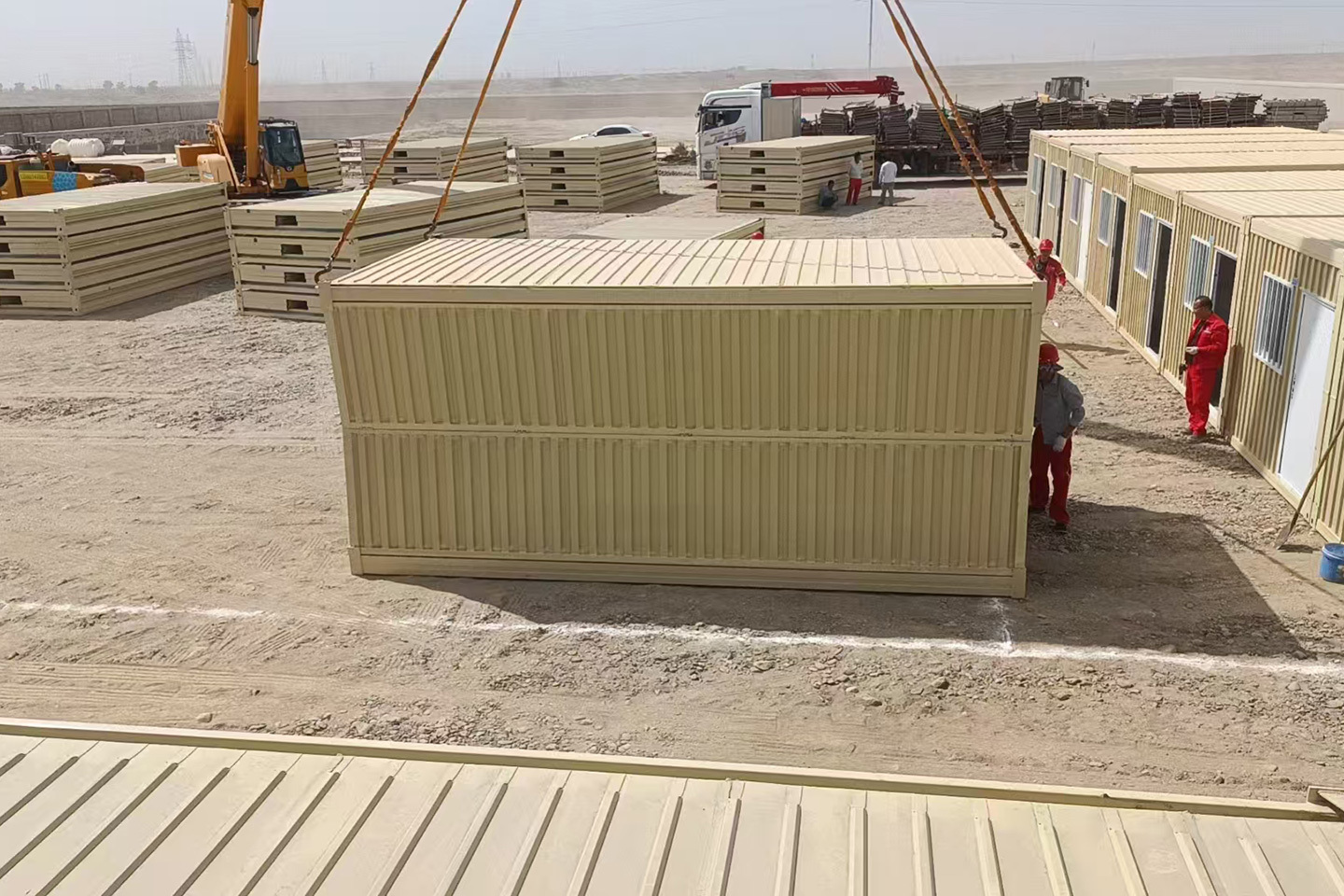
Prefabricated light steel frame houses are constructed using a combination of light steel framing and prefabrication techniques. Unlike traditional building methods, which often require extensive on-site labor and time, these houses are pre-manufactured in a factory setting. The components are then transported to the site and assembled quickly. This method not only reduces construction time but also ensures precision and quality control.
The use of light steel frames allows for a strong yet lightweight structure, making it easier to transport and assemble. Furthermore, steel is highly durable and resistant to pests, rot, and extreme weather conditions, making it ideal for areas prone to natural disasters.
Advantages of Light Steel Frame Construction
There are several advantages to using light steel frame construction for disaster relief housing:
1. Rapid Construction
Given the urgent need for shelter following a disaster, the speed of construction is paramount. Prefabricated light steel frame houses can be assembled in a matter of days, providing immediate housing solutions for displaced individuals and families.
2. Flexibility and Modularity
These houses can be designed in various sizes and layouts, allowing for customization based on the specific needs of a community. They can be configured as single-family units or multi-family complexes, depending on the number of people needing shelter.
3. Cost-Effectiveness
The streamlined construction process and the efficiency of using steel materials often result in lower overall costs compared to traditional construction methods. This cost-effectiveness is essential for non-profit organizations and governments looking to provide affordable housing in disaster-stricken areas.
4. Energy Efficiency
Prefabricated light steel frame houses can be designed to optimize energy use. Proper insulation and energy-efficient windows help reduce heating and cooling costs, making them sustainable housing options that minimize the environmental impact.
The Construction Process of Prefabricated Houses
The construction process for prefabricated light steel frame houses involves several key steps:
1. Design and Engineering
Initially, architects and engineers work together to create designs that meet the needs of disaster relief while adhering to local building codes and regulations. Modern software allows for precise modeling and planning.
2. Prefabrication
Once the design is finalized, the house components—such as walls, roofs, and floors—are fabricated in a controlled factory environment. This process ensures high quality and minimizes waste.
3. Transportation
After fabrication, the components are transported to the disaster site. Their lightweight nature simplifies logistics and reduces transportation costs.
4. On-Site Assembly
Assembly teams, often composed of skilled workers, assemble the prefabricated components on-site. This process is significantly faster than traditional construction methods, allowing families to move in rapidly.
Speed of Deployment in Disaster Relief
In disaster scenarios, every moment counts. The speed of deployment offered by prefabricated light steel frame houses can be the difference between life and death for many individuals. Organizations such as the United Nations and various NGOs have recognized this urgency and are increasingly turning to prefabricated solutions as part of their disaster response strategies.
1. Immediate Shelter Solutions
Given the ability to construct these houses quickly, they serve as immediate shelter solutions for those who have lost their homes. Providing safe, secure housing can significantly improve the mental and emotional well-being of disaster victims.
2. Scalability
The modular nature of prefabricated light steel frame houses allows for scalable solutions. In large-scale disasters affecting thousands of individuals, hundreds of units can be deployed rapidly to accommodate the influx of people needing shelter.
Sustainability and Resilience of Light Steel Frame Houses
Beyond their immediate benefits, prefabricated light steel frame houses are sustainable and resilient solutions for disaster relief.
1. Eco-Friendly Materials
Steel is a recyclable material, which contributes to sustainability efforts. By using recycled materials and minimizing waste during production, these houses have a reduced environmental footprint.
2. Disaster Resilience
Light steel frame houses are designed to withstand severe weather conditions, including high winds, heavy rain, and earthquakes. Their structural integrity ensures the safety of residents during future disasters.
Case Studies and Success Stories
Several successful implementations of prefabricated light steel frame houses in disaster relief exemplify their effectiveness:
1. Haiti Earthquake Recovery
Following the devastating earthquake in Haiti in 2010, numerous organizations deployed prefabricated light steel frame houses to provide immediate shelter. These structures were assembled quickly, allowing families to regain a sense of security while longer-term housing solutions were developed.
2. Typhoon Haiyan in the Philippines
In the aftermath of Typhoon Haiyan in 2013, prefabricated light steel frame houses were used extensively in rebuilding efforts. Their swift construction helped communities recover more efficiently and provided a more durable housing option compared to traditional materials.
Challenges and Considerations
While prefabricated light steel frame houses offer numerous benefits, there are challenges and considerations to keep in mind:
1. Initial Costs
Although these structures can be cost-effective in the long run, the initial investment in prefabrication may be higher compared to traditional methods. Funding sources for disaster relief must account for this upfront expense.
2. Local Adaptation
Each disaster-affected region has unique cultural and environmental factors. Ensuring that prefabricated designs meet local needs and preferences is crucial for community acceptance and long-term success.
The Future of Prefabricated Houses in Disaster Relief
The future of prefabricated light steel frame houses in disaster relief looks promising. As technology advances, construction methods will become even more efficient, and designs will continue to evolve to meet the specific needs of communities affected by disasters. Increased collaboration between governments, NGOs, and private sector partners will further enhance the implementation of these innovative housing solutions.
Prefabricated light steel frame houses represent a groundbreaking solution in disaster relief efforts. Their speed of deployment, durability, cost-effectiveness, and sustainability make them a pivotal resource for communities facing the aftermath of natural disasters. As we look to the future, the continued adoption of these innovative structures will not only provide immediate shelter but will also contribute to the long-term resilience of affected communities. By investing in prefabricated housing solutions, we can ensure that recovery efforts are both swift and sustainable, ultimately transforming lives in the wake of disaster.

Contact Us
E-mail :
183597530@qq.com
WhatsApp:
+86-13810577811
Address:
No. 4 Fengzhi Road, Binhe New District, Baotou Rare Earth High tech Zone, Inner Mongolia Autonomous Region