



Why Steel House Construction is the Future of Sustainable Building
Mar 16,2025
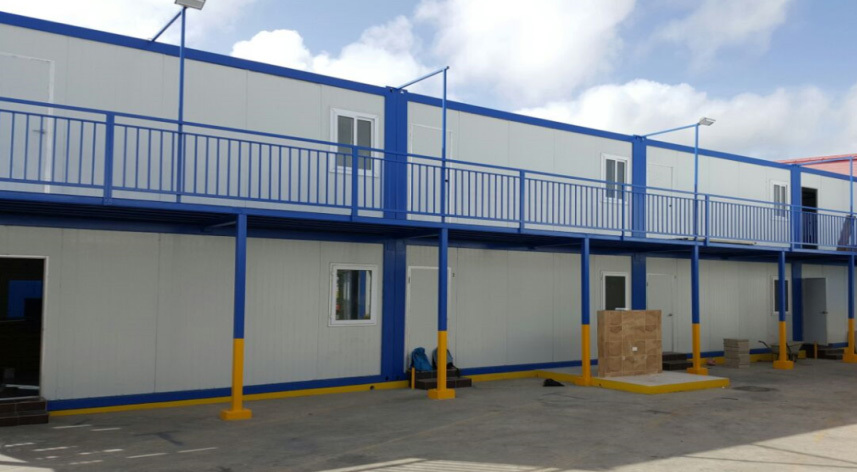
1. Introduction to Steel House Construction
As the world increasingly focuses on sustainable practices, the construction industry is witnessing a significant shift towards innovative building materials. Steel house construction is emerging as a leading solution, combining **sustainability**, **strength**, and **aesthetics**. This article explores why steel structures are becoming the preferred choice for environmentally-conscious builders and homeowners alike.
2. Sustainability Benefits of Steel Structures
Steel is not only strong and versatile; it is also one of the most sustainable building materials available. The environmental benefits of using steel in construction are manifold, making it an excellent choice for those aiming to minimize their carbon footprint.
2.1 Recyclability of Steel
One of the primary advantages of steel is its **recyclability**. Steel can be recycled repeatedly without losing its properties, which significantly reduces the need for new raw materials. According to recent studies, approximately **90% of steel** from old buildings and structures can be reused, contributing to a circular economy and minimizing waste.
2.2 Energy Efficiency in Steel Homes
Steel structures are increasingly being designed with **energy efficiency** in mind. Advanced insulation techniques and energy-efficient windows can be integrated into steel homes, significantly reducing heating and cooling costs. Not only do these homes require less energy to maintain comfortable temperatures, but they also contribute to reduced greenhouse gas emissions, aligning with global sustainability goals.
2.3 Durability and Longevity of Steel
Steel is renowned for its **durability**. Unlike traditional building materials like wood, which can be susceptible to rot, pests, and weathering, steel stands strong against these challenges. A well-constructed steel house can last for decades, requiring minimal maintenance. This longevity not only reduces the need for frequent repairs but also means fewer resources are consumed over the lifespan of a building.
3. Design Flexibility and Aesthetic Appeal
The versatility of steel allows for **creative architectural designs** that meet a variety of aesthetic preferences. Steel can be easily shaped and molded, enabling architects to create unique structures that stand out. From sleek modern homes to traditional designs, steel can accommodate a wide range of styles, making it an attractive option for homeowners looking to personalize their space.
4. Cost-Effectiveness of Steel House Construction
While the initial costs of steel framing can be higher than traditional materials, the long-term savings associated with steel house construction are significant. Steel's low maintenance requirements and energy efficiency reduce overall ownership costs. Moreover, the speed of construction can lead to earlier occupancy, allowing homeowners to enjoy their new space sooner and even save on temporary housing costs during construction.
5. Speed of Construction with Steel
The prefabrication of steel components allows for **faster construction** times. Steel structures can be manufactured off-site and then assembled on-site, significantly reducing building time. This rapid assembly process not only contributes to cost savings but also minimizes the disruption to the surrounding environment, making it a smart choice for urban developments.
6. Future Innovations in Steel Construction
As technology continues to advance, the construction industry is on the verge of significant innovations in steel building practices. New techniques such as **3D printing with steel**, **smart steel technologies**, and **sustainable coatings** are expected to further enhance the sustainability and efficiency of steel homes. These innovations will help meet the growing demand for sustainable housing solutions.
7. Challenges and Solutions in Steel Building
While steel house construction comes with numerous benefits, it is not without its challenges. Potential issues such as rusting, thermal conductivity, and upfront costs can deter some builders. However, advancements in materials technology, such as rust-resistant coatings and improved insulation methods, are addressing these concerns effectively.
8. Conclusion
Steel house construction represents a **pioneering approach** to sustainable building. Its recyclability, energy efficiency, durability, and design flexibility make it an ideal choice for environmentally conscious individuals and developers. As the construction industry evolves, embracing steel as a primary building material will not only meet current demands for sustainability but also pave the way for future innovations. In a world where eco-friendly practices are increasingly important, steel stands out as a robust solution, positioning itself firmly as the future of building.

Contact Us
E-mail :
183597530@qq.com
WhatsApp:
+86-13810577811
Address:
No. 4 Fengzhi Road, Binhe New District, Baotou Rare Earth High tech Zone, Inner Mongolia Autonomous Region